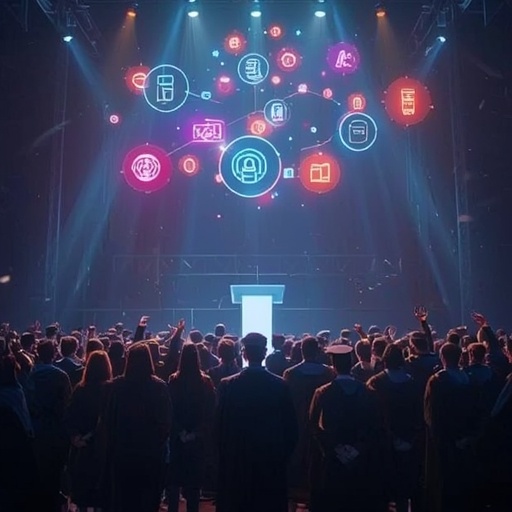
Across the commencement ceremonies of 2026, an unprecedented social and cultural signal is reverberating through universities and auditoriums worldwide. Instead of the traditional harmony of exuberant applause that has long accompanied the speeches of corporate technology leaders, this year’s graduates respond with something startlingly different—boos, murmurs of dissent, and impassioned calls for honesty. What once represented admiration for innovation has transformed into a collective moment of reckoning. The young generation seated in their caps and gowns is telling the world that they are unwilling to celebrate the unchecked glorification of artificial intelligence, automation, and corporate futurism without question or context.
These acts are not merely spontaneous disruptions or youthful rebellions; they are deeply deliberative gestures, signifying a redefinition of what progress and leadership mean in an age dominated by algorithms. For many of these students—who have grown up amid misinformation, surveillance capitalism, and the economic anxieties of a gig-based digital world—AI no longer represents pure promise, but complex power. When executives extol the boundless potential of intelligent machines while sidestepping urgent ethical concerns—such as biased data, mass layoffs, and social inequality—the applause of the past gives way to a resounding call for introspection.
Graduates are, in essence, demanding accountability. They want leaders who value transparency over spectacle and responsibility over rhetoric. The polite deference that once defined the relationship between youth and power is dissolving into something more participatory, more morally attuned, and unmistakably more courageous. Their boos, though brief, resonate with substance—they are the sound of a generation asserting that progress without conscience is not progress at all.
Behind this public defiance lies hope rather than hostility. These students are not opposed to technological innovation itself; rather, they champion a version of it guided by ethical awareness and communal benefit. They do not reject AI outright—they reject the myth that technological advancement alone can solve humanity’s deepest problems. In their reaction is an insistence that technology must serve human dignity, creativity, and equity, not undermine them. For them, the future will not be defined by passive acceptance of corporate agendas, but by active engagement, critical thinking, and moral courage.
So when the applause fades and the echoes of dissent linger through the halls of academia, it becomes clear that something far larger than a single graduation season is unfolding. This is the dawning of a generational shift in values—a movement from reverence to responsibility, from blind optimism to ethical insistence. The class of 2026 is writing its own declaration: the future belongs not to machines, but to those who dare to question, to imagine, and to demand that innovation serves humanity first.
Sourse: https://www.theverge.com/ai-artificial-intelligence/935602/graduates-boo-ai-ceos