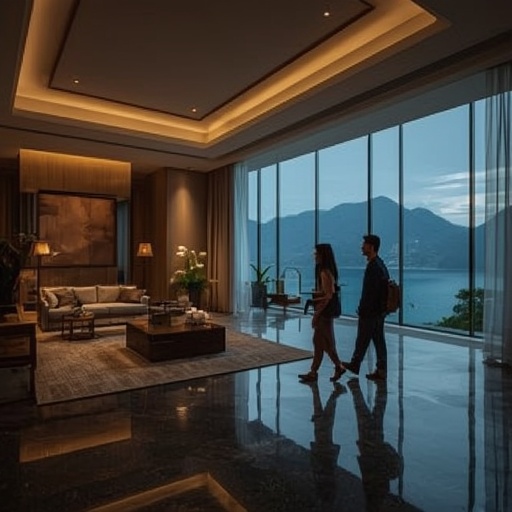
The resilience and continued vitality of Asia’s luxury travel sector exemplify how adaptability, cultural pride, and economic dynamism can sustain an industry through global turbulence. Across the continent, from cosmopolitan capitals like Tokyo, Seoul, and Singapore to tranquil island getaways in Indonesia or Thailand, the upper-tier travel market remains not only intact but also deeply robust. Despite fluctuating geopolitical conditions, shifting exchange rates, and persistent concerns surrounding international mobility, Asia’s elite hospitality scene continues to inspire confidence among both investors and travelers.
Much of this enduring strength arises from the powerful combination of domestic and intra-regional demand. Affluent travelers are increasingly choosing to explore destinations within their own borders or nearby nations, often seeking exclusivity, comfort, and authenticity without the complications of long-haul travel. This inclination toward proximity tourism has helped maintain occupancy rates at high-end resorts and boutique properties, allowing the sector to evolve naturally while preserving its premium positioning. For example, many luxury hotels have expanded their offerings to incorporate culturally immersive experiences—ranging from curated culinary journeys and artisanal craft workshops to wellness retreats rooted in traditional healing practices. Such initiatives underline an elevated emphasis on meaningful, context-rich travel rather than mere extravagance.
Equally important is the remarkable adaptability demonstrated by leading hospitality groups. These organizations are not merely weathering a complex global environment; they are redefining it to their advantage. By recalibrating marketing strategies, emphasizing digital engagement, and tailoring services to local preferences, they have nurtured sustainable growth across a diverse range of destinations. Their approach often blends innovation with heritage: modern architecture now harmoniously coexists with classical design motifs, and advanced technology enhances guest comfort without compromising the human warmth central to Asian hospitality traditions.
Industry experts consistently note that optimism permeates the region’s luxury travel market. Executives and analysts observe how proactive management and flexible operational models enable accommodation providers to anticipate evolving expectations rather than react to them belatedly. Whether it is through introducing bespoke sustainability programs, fostering stronger ties with local communities, or investing in training to enhance staff proficiency, these ongoing improvements signify a deeper commitment to both long-term profitability and cultural integrity.
In essence, the persistence of luxury travel in Asia is far more than an incidental outcome of economic necessity—it is a reflection of the region’s confidence in its identity and its enduring ability to marry tradition with innovation. Through creativity, strategic foresight, and a genuine understanding of what modern luxury travelers seek, Asia continues to shape the future of upscale tourism, proving that even in uncertain times, excellence and imagination can keep the spirit of travel very much alive.
Sourse: https://www.bloomberg.com/news/videos/2026-05-22/vuchot-on-why-luxury-travel-is-resilient-in-asia-video