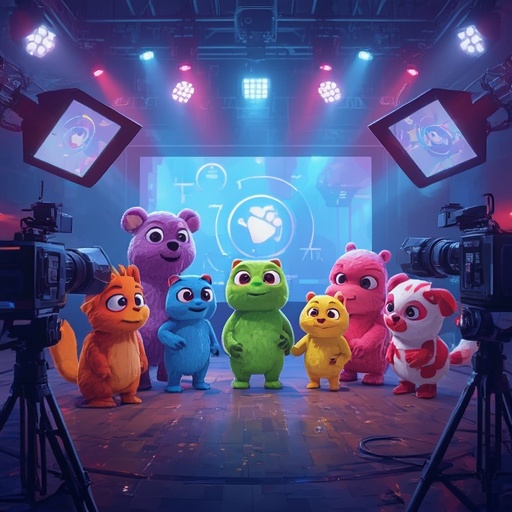
The world of artificial intelligence and film production has just encountered a striking moment of disruption—one that underscores both the power and the precariousness of relying on emerging technologies for creative expression. The animated project ‘Critterz’, which had been heralded as a groundbreaking demonstration of what AI-generated video could achieve, was set to make its highly anticipated premiere at the Cannes Film Festival. Yet, in an unexpected turn of events that rippled through both tech and entertainment circles, the film’s debut was canceled when OpenAI made the sudden decision to suspend access to its Sora system—the very AI video engine that formed the backbone of the project’s development.
This unexpected shutdown of Sora did not simply delay a film screening; it epitomized the delicate balance that exists between innovation and dependency within the creative technology ecosystem. ‘Critterz’, a story fully realized through algorithmic imagination and human direction, represented a fusion of cinematic artistry and machine intelligence. Its absence from Cannes served as a visible manifestation of how swiftly technological infrastructure can influence artistic output. A single corporate or technical decision can reverberate across an entire creative vision, reminding artists, studios, and technologists alike that progress in the digital arts is inseparable from the stability of its underlying computational partners.
The situation also highlights broader questions about sustainability in AI-assisted creativity. As artificial intelligence continues to redefine filmmaking—through automated animation, dynamic visual effects, and intelligent editing tools—the dependence on proprietary platforms like Sora introduces both opportunity and risk. When such platforms evolve, restrict access, or discontinue support, entire creative pipelines may be disrupted, forcing creators to adapt or rebuild their workflows from the ground up. The story of ‘Critterz’ becomes, therefore, more than a missed screening; it is a symbol of an industry learning, in real time, how to navigate a paradigm shift where imagination is no longer limited by human capability but shaped by algorithms and corporate ecosystems.
Yet beneath the disappointment lies a layer of insight and optimism. The pause of the film’s premiere encourages a moment of reflection—an opportunity for creators and innovators to reassess how collaboration between human artistry and artificial cognition can be safeguarded against instability. It raises an essential dialogue: how can filmmakers, producers, and digital artists maintain creative autonomy while relying on rapidly changing AI tools? Addressing this question will determine not only the direction of future AI-driven storytelling but also the resilience of an entire generation of hybrid artists experimenting at the intersection of code and creativity.
Ultimately, the story of ‘Critterz’ extends far beyond the festival that never was. It stands as both a cautionary tale and an inspiring glimpse into filmmaking’s future—one where technological brilliance must be anchored by reliability, foresight, and ethical stewardship. As the boundaries between human imagination and artificial intelligence continue to blur, moments like this remind the creative community that progress, however dazzling, must rest upon foundations as stable as the stories it seeks to bring to life.
Sourse: https://www.bloomberg.com/news/articles/2026-05-22/ai-cartoon-critterz-misses-cannes-debut-after-openai-shut-sora