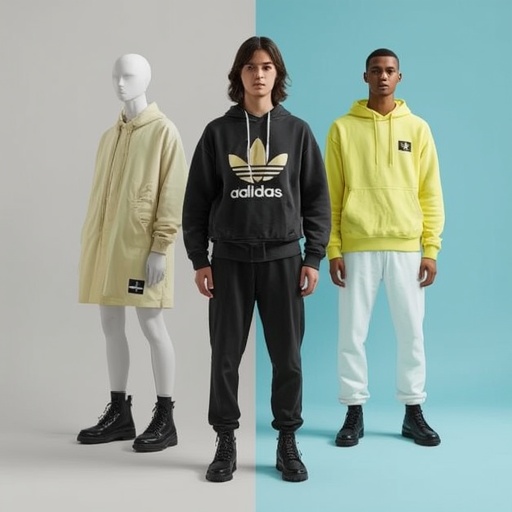
Shein’s acquisition of Everlane represents far more than a simple business transaction—it is a profound intersection of two opposing philosophies within the global fashion ecosystem. On one side stands Shein, a symbol of hyper-accelerated, algorithm-driven production and global market dominance, whose very business model embodies the relentless speed, accessibility, and disposability of twenty-first-century consumer culture. On the other side sits Everlane, a brand that rose to prominence by championing radical transparency and sustainability, cultivating a millennial audience that sought to align personal style with ethical integrity and social responsibility.
This merger prompts a cascade of complex questions that reach beyond corporate strategy into the cultural psyche of modern fashion consumers. Can a fast-fashion leader genuinely integrate eco-conscious values without eroding its foundational business advantage—namely, scale, speed, and low costs? Conversely, can a sustainability-focused brand preserve its moral and aesthetic identity under the stewardship of a company often criticized for overproduction and opaque supply chains? What we witness here may mark either the dissolution of the millennial sustainable fashion ideal or the beginning of a hybrid model in which ethical aspirations are reframed within mass-market economies of scale.
For followers of fashion as both art form and industry, the implications are immense. The acquisition suggests a possible redefinition of what sustainability might mean in the future—perhaps less about material purity and more about systemic efficiency or technological reform. Critics fear that the union will dilute Everlane’s reputation, transforming its minimalist authenticity into another branded narrative for mass consumption. Yet optimists argue that Shein’s vast resources could, if genuinely directed, enable the democratization of sustainable production practices, making ethical choices accessible to millions who previously viewed them as a luxury.
Ultimately, this moment symbolizes a turning point: a collision between idealism and realism in fashion’s ongoing struggle to reconcile beauty, speed, and conscience. Whether it becomes a cautionary tale of value compromise or a blueprint for meaningful change will depend on how both entities translate their philosophies into tangible practices. Either way, Shein’s acquisition of Everlane will shape the discourse on fashion’s moral and environmental responsibilities for years to come.
Sourse: https://www.businessinsider.com/shein-acquires-everlane-millennial-sustainability-dream-dead-2026-5