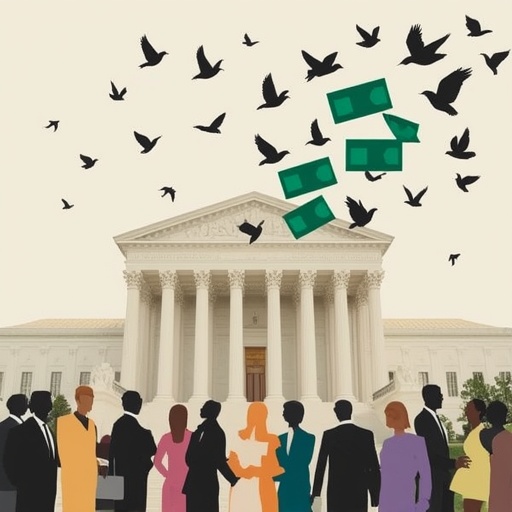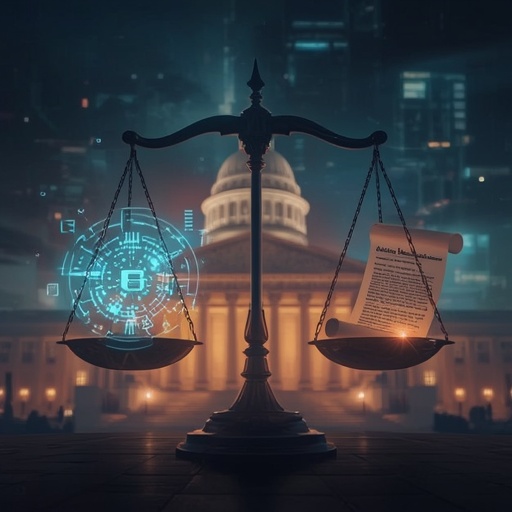
In an unexpected yet pivotal development within U.S. technology policy, a last-minute intervention has temporarily halted the release of a much-anticipated executive order focused on managing artificial intelligence risks. This sudden pause underscores not only the growing tension between the desire for technological progress and the need for governmental oversight but also highlights how deeply intertwined political strategy and innovation policy have become. The situation encapsulates a broader dilemma now confronting policymakers worldwide: how to safeguard the public interest without impeding the rapid, transformative potential of emerging AI technologies.
Sources close to the discussion suggest that the delay did not stem from logistical or bureaucratic issues but from a substantive dispute over priorities. Some policymakers advocate for stringent regulatory measures, arguing that robust guardrails are essential to mitigate dangers such as bias in algorithms, misuse of generative AI, and the potential weaponization of automated systems. They emphasize that precautionary regulation is not a constraint on progress but rather a necessary foundation for long-term public trust and sustainable innovation. Others, however, warn that excessive intervention could stifle private sector creativity, discourage investment, and push competitive advantage toward international rivals that may adopt more permissive frameworks.
This impasse effectively places the U.S. at the intersection of two powerful imperatives: the pursuit of safety and ethical responsibility on one hand, and the preservation of national competitiveness and technological leadership on the other. The debate is not merely theoretical but directly impacts how research institutions, corporations, and startups approach the development of AI-driven products and services. The current pause offers a rare moment for reflection—an opportunity for leaders to reconsider what kind of innovation ecosystem they wish to cultivate and what values should guide that quest.
As artificial intelligence continues to reshape the global economy, the outcome of this policy discussion will carry implications far beyond national borders. It will influence international alignment on AI governance, set precedents for future regulation, and define the moral and economic contours of the coming technological era. For now, the balance between progress and precaution remains uncertain, suspended on a rhetorical knife’s edge—one that will ultimately determine the trajectory of both American innovation and global AI stewardship.
Sourse: https://www.wsj.com/politics/policy/david-sacks-trump-ai-executive-order-6019242d?mod=rss_Technology