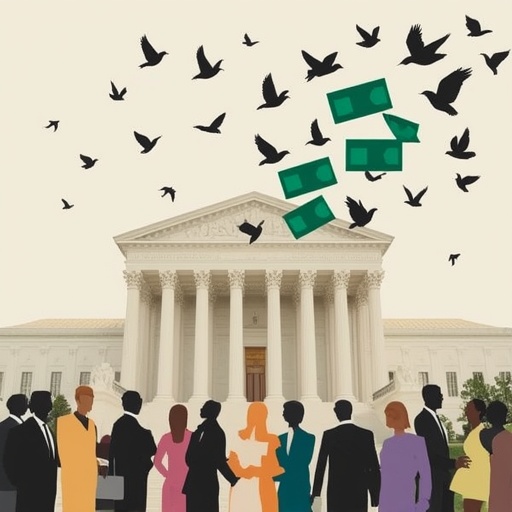
The recent shift in U.S. immigration policy under the Trump administration has ignited a renewed and vigorous national debate, particularly regarding the tightening of green card eligibility requirements. Legal professionals, immigration advocates, and policy analysts across the country are closely examining how these newly imposed restrictions may redefine the landscape of lawful permanent residency in the United States. While the policy aims to implement stricter criteria ostensibly intended to ensure that applicants demonstrate greater self-sufficiency, it has simultaneously introduced widespread uncertainty and apprehension among those navigating the complex immigration process.
From the perspective of attorneys and advocacy groups, these changes have far-reaching implications. Many legal experts argue that the updated policy could unintentionally disadvantage certain demographic groups, especially lower-income applicants and those relying temporarily on public assistance programs. These professionals emphasize that the revised framework may lead to an uneven application of the law, potentially discouraging qualified individuals from pursuing residency out of fear of disqualification or extended bureaucratic barriers.
Policy analysts, meanwhile, are weighing the broader economic and social consequences. They suggest that a more restrictive approach to immigration could alter both the composition of the U.S. workforce and the dynamics of family reunification efforts that have historically played a central role in sustaining American communities. Businesses dependent on a steady influx of skilled workers are also expressing concern, as heightened scrutiny may slow processing times and complicate recruitment efforts in industries already facing labor shortages.
Beyond immediate procedural complications, the policy shift symbolizes a deeper ideological divide about the nature and purpose of American immigration law. Supporters of the administration’s approach contend that such reforms strengthen national self-reliance and reduce dependency on federal aid, thereby promoting accountability among new residents. Opponents, on the other hand, see the move as a stark departure from the traditional inclusivity and opportunity that have long defined America’s immigration ethos.
In public discourse, the new regulations have sparked a wave of dialogue extending from courthouse hallways to online forums and university lecture halls. Advocates, journalists, and ordinary citizens alike are questioning how these developments might reshape the moral and economic fabric of the nation. Will this tightening of green card criteria ultimately bolster national efficiency and security, or will it deepen existing inequities and limit the country’s ability to attract global talent? As debates unfold, one thing is certain: the conversation surrounding immigration policy remains as timely and transformative as ever, touching every facet of law, labor, and human aspiration within the United States.
Sourse: https://www.businessinsider.com/experts-react-donald-trump-new-immigration-policy-green-card-applications-2026-5