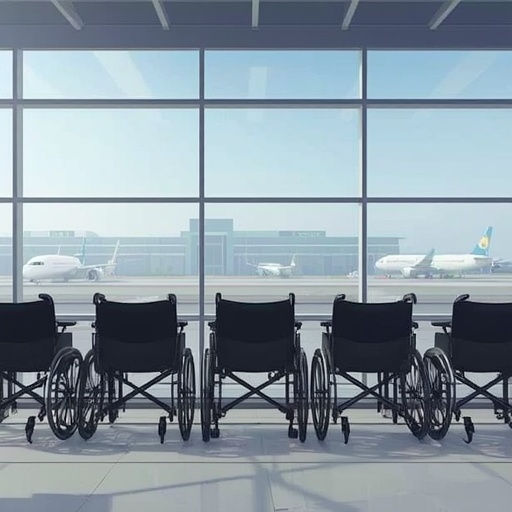
In a recent and rather candid observation, the Chief Executive Officer of JetBlue Airways drew public attention to a troubling behavior that has been quietly escalating in airports across the country. He described a phenomenon now informally dubbed as ‘miracle flights’—situations in which numerous passengers request wheelchair assistance at boarding time, only to miraculously regain their mobility once the plane reaches its destination. This growing trend, while perhaps originating from a desire to avoid the stress and long lines characteristic of modern air travel, raises important ethical and logistical issues that extend far beyond momentary convenience.
For some passengers, asking for wheelchair service has become a loophole, a seemingly harmless strategy to accelerate the boarding process, bypass queues, and secure early access to the aircraft. Yet this opportunistic habit imposes additional burdens on the very system designed to support travelers with legitimate mobility challenges—those who rely on wheelchairs not out of preference but out of necessity. Airlines, which already operate under immense operational pressure, must allocate staff, equipment, and time to manage these requests, often leaving fewer resources for passengers whose physical disabilities require genuine assistance.
The JetBlue CEO’s comments reflect more than mere frustration; they underscore a deeper tension within the travel industry regarding fairness, empathy, and responsibility. How can carriers ensure equitable service without compromising compassion or causing embarrassment to passengers who truly need help? To deny service to those claiming mobility limitations could create discrimination or accessibility concerns, but allowing unchecked misuse erodes trust and efficiency.
Ultimately, this issue mirrors a broader societal question about the intersection of convenience and ethics. In a world increasingly shaped by individual self-interest and systemic strain, even small acts of dishonesty—such as faking the need for special assistance—can produce ripple effects that harm others. The debate is not simply about wheelchairs or airport logistics; it is about integrity in shared spaces, respect for communal resources, and the recognition that accessibility accommodations exist to protect dignity, not to provide shortcuts.
As industries continue redefining what fairness and service mean in an era of mass travel, it may fall to both policy and personal conscience to ensure that empathy, not opportunism, guides the journey forward.
Sourse: https://www.businessinsider.com/jetblue-ceo-says-flyers-using-wheelchair-hack-skip-airport-lines-2026-5