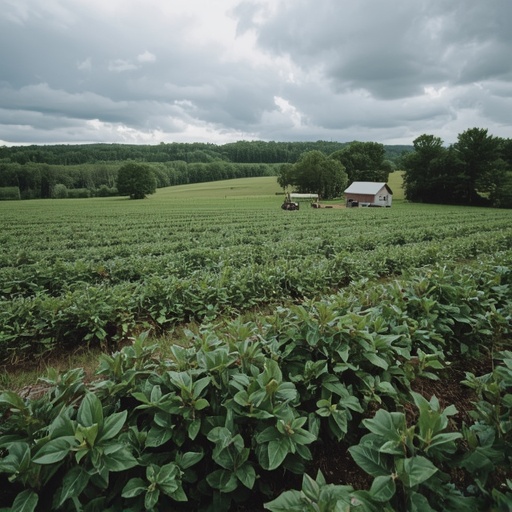
Maine’s wild blueberry farmers are confronting what is arguably one of the most severe and disheartening seasons in recent memory. The harvest of 2025 has not only fallen short of expectations but has actually registered among the poorest yields in the past ten years, representing a major setback for one of New England’s most emblematic agricultural industries. These deep-blue berries, celebrated globally for their flavor, nutrient density, and cultural significance, are more than a crop—they are an enduring symbol of Maine’s rural character, a cornerstone of its economy, and an expression of the intimate relationship between environment, tradition, and livelihood.
The crisis within this year’s blueberry harvest is multilayered, touching virtually every aspect of production, distribution, and market sustainability. For decades, wild blueberry cultivation has relied upon the delicate balance of natural ecosystems—cool coastal climates, acidic soils, and pollination patterns specific to the region. Yet this equilibrium is now under strain. Fluctuating weather conditions—marked by early frosts, erratic rainfall, and prolonged heat—have led to significant stress on the plants. These climatic shifts, though cyclical over the years, have intensified in frequency and unpredictability, leaving even the most experienced growers unable to anticipate or mitigate the full scope of environmental damage.
Beyond the direct effects of climate variability, farmers are also grappling with logistical and economic pressures. Rising transportation and energy costs, combined with global supply chain disruptions, have increased the expense of getting berries from field to market. Processors and packers, who depend on stable production volumes, are tightening contracts and lowering purchase prices to offset uncertainty. Meanwhile, competition from cultivated blueberry varieties—often grown in controlled conditions in other regions or countries—further compresses profit margins, forcing Maine’s wild blueberry industry to compete not just on quantity, but on the unique quality and heritage value of its fruit.
This downturn is more than a matter of shrinking yields or lost income—it carries broad consequences for local communities and the environment. Wild blueberry farming supports a complex network of seasonal laborers, small-scale landowners, equipment suppliers, and local processors whose livelihoods are intertwined with the annual harvest. When crops fail, families and businesses across rural Maine feel the impact. Fields that once sustained generations risk abandonment, diminishing biodiversity and eroding the cultural landscape that has defined the region for centuries.
Nevertheless, amid the discouraging numbers, there remains a resilient undercurrent of hope. Many farmers are seeking adaptation strategies—experimenting with sustainable soil health practices, diversifying pollination support, and investing in water management systems that may buffer against future volatility. Cooperative marketing efforts emphasize the superior flavor and authenticity of Maine’s wild berries, inviting consumers to connect with the story behind each harvest and recognize the human effort that sustains it.
Ultimately, the challenges faced by Maine’s blueberry growers in 2025 underscore a broader truth about the vulnerabilities of modern agriculture in a changing climate. Supporting these farmers extends far beyond buying a box of berries at a local market—it is an act of environmental stewardship and cultural preservation. Each purchase helps maintain a living tradition, uphold local economies, and sustain the landscapes that make Maine’s wild blueberries not only a cherished product but a testament to endurance, heritage, and the profound interdependence between people and the land they cultivate.
Sourse: https://www.businessinsider.com/maine-wild-blueberry-lost-half-its-harvest-2026-5