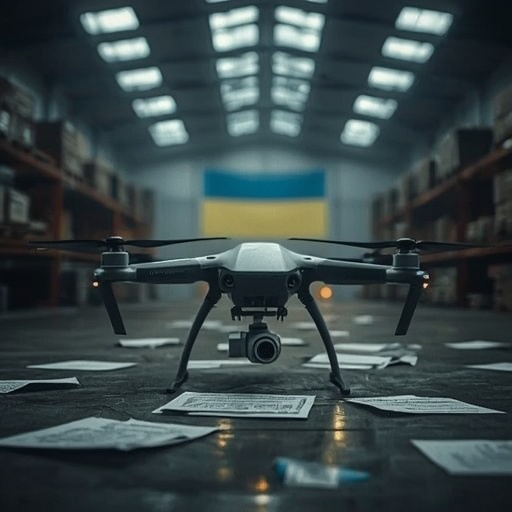
In recent weeks, an unexpected intersection between economic reform and military necessity has unfolded in Ukraine, where a well-intentioned environmental initiative temporarily intersected with matters of national defense. A legislative change imposing a tax on electric vehicles (EVs), designed to stimulate fiscal balance and promote economic restructuring, inadvertently disrupted the production and deployment of battle‑ready drones. These drones, vital for reconnaissance and defensive coordination, rely significantly on EV components such as high‑efficiency batteries and lightweight electric motors. When the tax took effect, it unintentionally constricted the import and assembly pipeline on which many local drone manufacturers depend.
The situation has illuminated the delicate interplay between technology policy, innovation ecosystems, and wartime logistics. What was meant as a routine adjustment to Ukraine’s tax code exposed how deeply interconnected its civilian and military industrial capacities have become. For instance, EV materials and components—typically earmarked for commercial mobility—also serve as the backbone of several defense‑related designs that facilitate rapid manufacturing in times of crisis. As a result, even a modest fiscal measure produced an outsized impact across sectors not originally considered in policy deliberations.
Recognizing the immediate strategic risk, lawmakers swiftly convened emergency sessions to draft corrective amendments. Their goal is twofold: to restore the flow of critical hardware to drone manufacturers while maintaining the core intent of sustainable economic regulation. This rapid legislative response underscores a growing awareness that in the modern era, governance cannot occur in silos—environmental, technological, and defense priorities intersect in complex and often unpredictable ways.
The episode serves as a compelling reminder of the importance of holistic policymaking. Economic mechanisms, even those crafted with forward‑looking environmental goals, must be examined for cascading effects across security and industrial domains. Ukraine’s experience vividly demonstrates how policy precision and real‑time innovation management are now as crucial to resilience as the raw engineering of machines themselves. As parliamentary committees move to rectify the oversight, the nation reaffirms an enduring lesson: that progress in sustainability and security alike depends on foresight, integration, and the ability to adapt swiftly when objectives collide.
Sourse: https://www.businessinsider.com/obscure-ev-tax-law-ukraine-uncrewed-ground-vehicles-thousands-2026-5