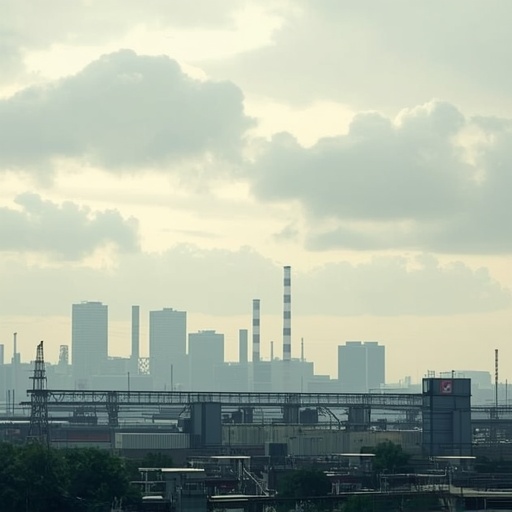
China’s factory production lost momentum in May, offering yet another significant indicator of stress within the world’s second-largest economy. This deceleration underscores not only the fragility of industrial growth within China but also its deep interconnectedness with the broader global market. The slowdown, reflected in a range of manufacturing surveys and production indices, suggests that the nation’s industrial engine—long regarded as the central pillar of global supply networks—is contending with complex challenges that extend well beyond its borders.
Among the primary factors driving this loss of pace is a persistent softness in worldwide demand. Consumers and corporations in advanced economies have been tightening their spending in response to elevated borrowing costs, inflationary pressures, and shifting trade priorities. As a result, the appetite for Chinese goods, from electronics and machinery to intermediate components vital for global manufacturing chains, has diminished. This weakening international demand has translated into reduced export orders, compelling many factories to scale back production schedules or operate below capacity.
Compounding the demand-driven slowdown are heightening geopolitical frictions, which are exerting an additional layer of uncertainty on the industrial outlook. Ongoing diplomatic tensions, especially those involving major trade partners, have led to new layers of compliance scrutiny, unpredictable tariffs, and incidents of supply chain fragmentation. Meanwhile, volatility emanating from the Middle East has contributed to rising input and transportation costs, further eroding profit margins for producers that already contend with constrained cash flow and tightening credit conditions.
The convergence of these pressures paints a picture of an economy at a delicate juncture. China’s manufacturing sector, traditionally positioned as a resilient engine of both domestic employment and global production, is now navigating an environment in which external vulnerabilities increasingly dictate performance. Industry analysts note that while the government may respond with targeted policy support—such as easing financial conditions for small and medium-sized manufacturers or accelerating infrastructure projects—the recovery trajectory will likely remain uneven and gradual.
For global markets, the implications are equally significant. China’s manufacturing pulse directly influences commodity demand, shipping volumes, and supply chain pricing structures across continents. A sustained slowdown could therefore ripple through international trade networks, testing the adaptability of businesses dependent on Chinese components and materials. Investors, policymakers, and multinational corporations alike must prepare for a period characterized by continued volatility, slower growth, and a recalibration of trade expectations.
In essence, the weakening of China’s factory activity during May serves as both a concise snapshot and an early warning of the broader economic strains confronting a deeply interlinked global system. As global demand remains tepid and geopolitical landscapes grow more complex, the world’s manufacturing powerhouse faces an arduous task—maintaining stability, competitiveness, and growth in the face of mounting cross-border pressures. #ChinaEconomy #Manufacturing #GlobalMarkets
Sourse: https://www.bloomberg.com/news/articles/2026-05-31/china-factory-activity-worsens-in-warning-sign-for-economy