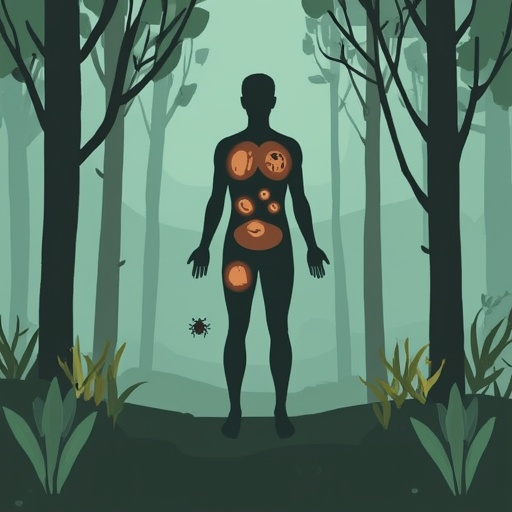
Imagine believing you were experiencing an ordinary case of food poisoning after a hearty meal, only to unravel the shocking truth that a tiny tick bite has permanently altered the way your body perceives red meat. This startling phenomenon, known as alpha-gal syndrome, reshapes not only what people can eat but also how they think about health, environment, and adaptation.
Alpha-gal syndrome, triggered by a carbohydrate found in most mammalian meats, represents a rare and perplexing allergic response. It often begins with a single tick bite introducing alpha-gal molecules into the bloodstream, provoking the immune system to react aggressively whenever beef, pork, lamb, or similar meats are consumed later. What once seemed like a harmless hike through nature or a summer camping trip suddenly transforms into a pivotal life event—an invisible moment that redefines daily existence.
For those affected, eating red meat becomes an act of risk management rather than pleasure. Late-night cravings for burgers or steak give way to vigilant reading of ingredient labels, cautious dining in restaurants, and the constant question: “Could this trigger a reaction?” Some experience mild discomfort resembling indigestion, while others suffer severe allergic responses that require immediate medical intervention. This unpredictability forces individuals to embrace new ways of living and eating.
Yet amid the frustration lies resilience. Many people facing alpha-gal syndrome shift from meat-centric eating to vibrant plant-based lifestyles, discovering a new appreciation for alternative proteins, grains, and vegetables. What at first seems like deprivation gradually becomes an opportunity to reinvent one’s relationship with food. Life slows a little—choices become deliberate, creativity flourishes in the kitchen, and awareness of one’s body deepens.
Beyond nutrition, this condition underscores the intricate web connecting human health and ecology. The tick, a creature once considered an outdoor nuisance, becomes a symbol of how environmental shifts can ripple through human biology. Changes in climate and land use contribute to expanding tick populations, meaning every forest path holds more than scenic beauty—it carries invisible consequences for our immune systems.
Living with alpha-gal syndrome is not merely about adapting to a medical condition; it is a story of transformation. It illustrates how human beings—complex, adaptive, and resourceful—can turn unexpected adversity into mindful evolution. Through learning, patience, and persistence, those who once relished steak dinners find joy again in new flavors, healthier routines, and communities built around shared experiences. A single tick bite may change everything, but it also reminds us just how extraordinary the human capacity for renewal can be.
Sourse: https://www.businessinsider.com/what-its-like-alpha-gal-red-meat-pork-allergy-tick-2026-6