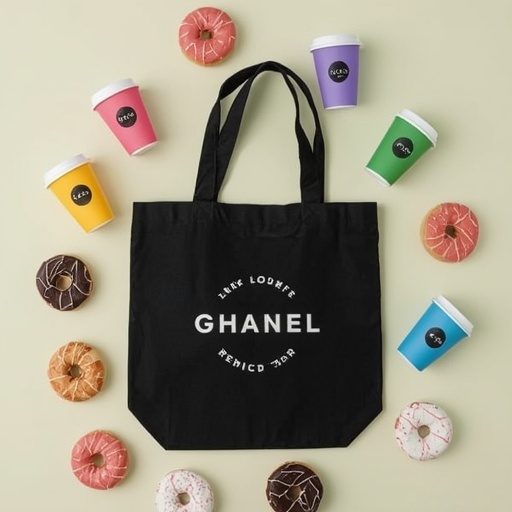
Dunkin’ has once again demonstrated that it understands how to do far more than simply sell coffee — it knows how to generate genuine excitement and build cultural momentum. By transforming what might have been an ordinary promotional item — a complimentary tote bag — into a coveted, limited-edition drop, Dunkin’ successfully tapped into Gen Z’s fascination with exclusivity, collectability, and social cachet. This strategic move blurred the boundary between marketing and lifestyle branding, positioning Dunkin’ not merely as a purveyor of beverages and baked goods but as a vibrant participant in the modern experience economy.
The brilliance of this campaign lies in its subtle understanding of how younger consumers engage with brands today. For Gen Z, authenticity and self-expression are paramount. They are drawn to brands that feel accessible yet aspirational, fun yet culturally aware. By framing the tote bag as a special release rather than a standard giveaway, Dunkin’ mirrored practices usually seen in the world of streetwear or pop culture collaborations. The result? A rush of enthusiasm across social platforms, with users eagerly showcasing their finds, turning a simple piece of fabric into a badge of belonging.
This approach highlights an important contemporary marketing truth: product appeal alone no longer drives loyalty. Emotional resonance, cultural timeliness, and participatory experiences now define success. Dunkin’s campaign masterfully combined all three. The tote symbolized inclusion in a shared narrative — one that elevated a coffee run into a lifestyle choice. Instead of being perceived as another attempt at branding, the gesture came across as playful, relevant, and refreshingly aligned with Gen Z’s values.
Where other coffee chains, notably Starbucks, often rely on product innovation or seasonal branding to capture attention, Dunkin’ ventured into a different emotional space. It understood that young audiences are less impressed by corporate polish and more influenced by moments that feel spontaneous and community-driven. By treating a simple freebie as an exclusive drop, Dunkin’ generated the level of anticipation normally reserved for limited sneaker releases or influencer collaborations.
The takeaway for marketers is clear. In a marketplace increasingly saturated with content and commercial messaging, the brands that inspire conversation and emotional attachment are those that create experiences rather than transactions. Dunkin’s tote bag campaign proves that storytelling and cultural insight can turn even the most modest concept into a viral success. It is not the grandeur of the offering that matters, but the intention and creativity behind it.
Ultimately, Dunkin’ has brewed more than coffee — it has brewed excitement, loyalty, and cultural relevance. The company’s ability to transform a low-cost promotional tactic into an authentic connection with consumers underscores why it continues to thrive in a highly competitive landscape. In the world of Gen Z marketing, where emotion and engagement rule supreme, Dunkin’ didn’t just hand out totes — it handed out identity, belonging, and a shared sense of fun.
Sourse: https://www.businessinsider.com/dunkin-tote-bag-coffee-menu-merch-why-people-love-2026-6