At the highly anticipated Build 2026 conference, Microsoft took a decisive leap toward shaping the next era of intelligent technology by unveiling **Project Solara**, an entirely new operating system purpose–built for a world increasingly defined by artificial intelligence. Rather than simply updating existing frameworks, this initiative represents a ground‑up reinvention of how software interacts with the expanding universe of AI‑powered devices.
Project Solara is based on Android, yet it moves far beyond being a mere derivative platform. It has been crafted to serve as the essential connective tissue for what Microsoft describes as *agent‑driven experiences* — intelligent, context‑aware systems capable of understanding, anticipating, and responding to users’ needs in a deeply personalized manner. In this sense, Solara is less of a traditional operating system and more of a robust ecosystem where intelligent agents, cloud services, and edge computing work in unison to deliver seamless real‑time adaptability.
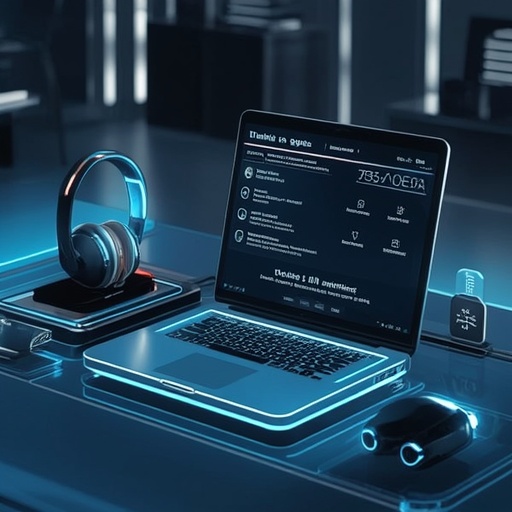
During the on‑stage presentation, Microsoft highlighted intriguing conceptual devices known as **Desk** and **Badge**, each illustrating a unique facet of Solara’s design philosophy. The Desk concept suggests a fluid integration between desktop‑level productivity and voice‑ or gesture‑based assistance, redefining what everyday work environments might look like when AI becomes truly embedded in the workflow. The Badge, by contrast, demonstrates Solara’s scalability — a wearable‑sized companion capable of running lightweight agent interactions securely and privately on the move. Together, these prototypes act as proof‑of‑concept models for a broader hardware landscape that will likely include phones, wearables, smart home devices, and industrial tools all sharing a common intelligent foundation.
By establishing Solara as the operating system at the heart of this new generation of hardware, Microsoft seeks to unify disparate device categories under a single architecture optimized for AI reasoning, data privacy, and contextual understanding. Developers can expect deeper integration with the Azure AI framework, streamlined cross‑device communication, and an emphasis on natural human‑computer interaction. From design ideation to implementation, Solara’s infrastructure demonstrates a clear commitment to creating systems that not only respond to instructions but actively learn from user behavior, evolving dynamically to enhance productivity and creativity.
Ultimately, Project Solara positions Microsoft at the forefront of a technological transformation reminiscent of the paradigm shifts introduced by smartphones and cloud computing in previous decades. It marks a bold reimagining of how people will experience technology — not merely through screens or interfaces, but through intelligent agents embedded within every facet of daily life. In doing so, the company has laid the groundwork for a future in which hardware and software exist in harmonious synergy, continuously adapting to deliver a more intuitive, efficient, and human‑centered digital environment.
Sourse: https://www.theverge.com/news/941830/microsoft-project-solara-os-ai-agent-gadgets