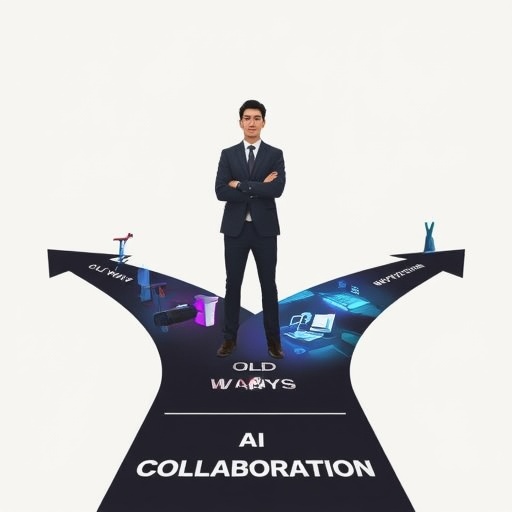
Across workplaces worldwide, an intriguing yet concerning perception continues to persist among many new graduates: the belief that leveraging artificial intelligence in their professional endeavors somehow equates to cheating. This outlook not only limits their personal potential but also hampers broader organizational innovation. In reality, AI is not designed to replace human capability but rather to amplify it—enhancing accuracy, efficiency, and creativity when used judiciously. By viewing AI as an ethical collaborator rather than a moral threat, early-career professionals can reposition themselves at the forefront of technological fluency.
This misconception reveals a deeper issue within the educational system. Academic institutions have traditionally rewarded individual effort measured through conventional tools, leaving little space for students to practice integrating advanced digital assistants or algorithmic decision-making into their workflow. The stigma attached to AI assistance mirrors outdated anxieties once associated with calculators and word processors—tools that were initially resisted before becoming indispensable. Today, failing to adapt to intelligent technologies risks not only career stagnation but also a widening gap between academic theory and the realities of modern industry.
Using AI ethically does not mean cutting corners; it represents a higher form of intelligence that blends moral awareness with technological insight. When guided by transparency, critical thinking, and sound judgment, AI solutions become extensions of human ingenuity rather than substitutes for it. Graduates who master this balance demonstrate precision, foresight, and adaptability—qualities that employers increasingly value in fast-evolving digital ecosystems.
To reshape this outlook, education and professional training must emphasize AI empowerment rather than prohibition. Curricula should include modules on digital ethics, data literacy, and collaborative intelligence, enabling learners to discern appropriate use cases rather than fear misuse. Business leaders and educators alike need to reframe success as a measure of how effectively humans and machines can co-create meaningful solutions.
The future of work will belong to those who cultivate fluency across both human and artificial intelligences. By transforming apprehension into informed engagement, society can ensure that the next generation of innovators no longer associates AI with deception but with evolution—a step forward in problem-solving, judgment, and creativity driven by partnership between human insight and computational power.
Sourse: https://www.businessinsider.com/deloitte-graduates-jobs-think-ai-use-cheating-rob-hillard-2026-6