Driverless cars, once considered the stuff of futuristic imagination and science fiction, are no longer confined to research laboratories or experimental zones; they are beginning to spread steadily across the urban landscapes of the United States. The once-radical concept of a car operating entirely without a human driver is now becoming a visible, tangible feature of city life. Much of this movement is being led by Waymo—a pioneer in autonomous driving technology—which operates both independently and in collaboration with ride-hailing companies such as Uber. The result is a growing network of autonomous rides across multiple metropolitan areas, signaling that the age of mainstream robotaxis is approaching faster than many might have predicted.
On a recent trip to San Francisco, a city widely recognized as one of the foremost testing grounds for self-driving technology, I decided to experience this evolving phenomenon firsthand. My curiosity was driven partly by professional interest and partly by sheer fascination. I had read about these vehicles and encountered countless reports detailing their emergence in cities like Phoenix, Austin, and Los Angeles, but until now my exposure had been purely observational. Although driverless cars are now visible in several large markets, in many regions—including Washington, D.C., where I live—they still function more as test prototypes than as consumer transportation options. There, one occasionally spots a Waymo car or another autonomous prototype navigating local streets, yet few, if any, ordinary riders can summon one for an everyday trip. By contrast, in San Francisco, these sleek vehicles glide down major thoroughfares like Market Street and through vibrant districts such as Union Square with the same regularity as traditional rideshares. No matter where I turned, another car—empty of human control but full of software intelligence—seemed to be quietly taking passengers to their destinations.
After days of observing this silent technological migration, I decided it was time to step inside one of these machines of the future. Using the Waymo mobile app, I booked a trip from my hotel near Union Square to a meeting roughly twelve minutes away. The quoted fare was about sixteen dollars, a figure slightly higher than similar offerings from Uber or Lyft covering the same distance, which typically hover between ten and thirteen dollars. Even though the car required no human driver, the price was still elevated—a fact that surprised me yet simultaneously made sense when I considered the ongoing costs of innovation, vehicle maintenance, and dynamic pricing during peak commute hours. Waymo’s representatives later explained that pricing fluctuates based on duration, distance, time of day, and demand levels—meaning that rides during rush hour or weekends tend to carry a premium.
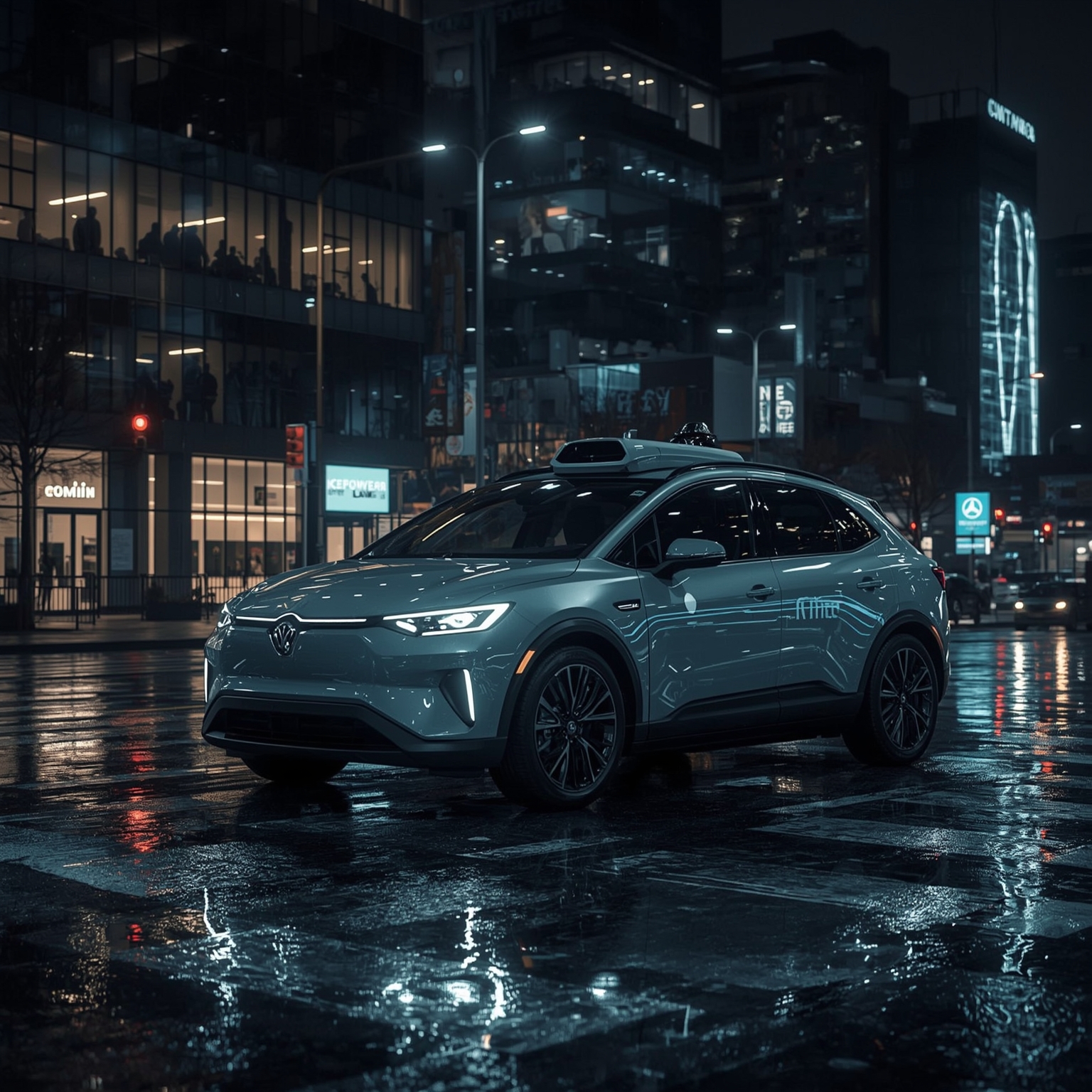
While waiting for my autonomous chauffeur, I couldn’t help noticing how omnipresent Waymo’s cars have become in San Francisco’s core districts. During the few minutes before my ride arrived, I counted up to six self-driving vehicles passing by, sometimes even traveling in clusters of two or three. Their polished exteriors and rotating lidars stood out like sleek, futuristic sentinels patrolling the streets. When the app eventually notified me that my assigned car had arrived, I initially struggled to locate it. Instead of stopping directly at my designated pick-up point, it had pulled over on a quieter side street just down the block. Though the detour was minor—a quick walk of less than a minute—it reminded me that even ultra-advanced navigation systems must occasionally make adaptive decisions, perhaps opting for a less congested area to ensure a smoother start to the journey.
Upon locating my vehicle, easily identifiable by its license plate displayed in the app and my initials glowing on the roof-mounted console, I noticed something mildly amusing: three additional Waymo cars were lined up behind mine, as though waiting their turn in some futuristic queue. The experience of approaching a car with no driver waiting inside felt slightly surreal. Nevertheless, I loaded my bags into the trunk, slid into the back seat, and watched the interior screen illuminate to welcome me aboard. The system prompted me to confirm my readiness to depart by sliding a virtual button on the app, and as the vehicle gently began to move, a short safety video reminded me of basic ride protocols—fasten my seatbelt, refrain from touching the steering wheel or pedals, and relax.
Despite initial apprehension, the sensation of sitting in a driverless car turned out to be less unsettling than expected. The electric Jaguar I-Pace glided smoothly through traffic at moderate speeds, its steering wheel subtly turning on its own as though guided by invisible hands. Watching the wheel rotate independently was oddly mesmerizing, a visible manifestation of years of research condensed into a seamless user experience. Some acquaintances have told me that the idea of traveling without a human driver terrifies them, but in practice, the calm precision of the system felt reassuring rather than frightening. Real-time visual data were presented on the central console, allowing passengers to understand what the car “saw.” For instance, when my vehicle paused mid-intersection, the display revealed that a pedestrian ahead was crossing the street, explaining the brief halt in motion. It was an elegant demonstration of how artificial intelligence interprets complex surroundings to ensure safety.
Throughout the ride, the interface allowed me to customize numerous in-car settings—from adjusting the temperature and music channels to contacting remote support staff in case of technical issues. These options gave the experience a level of control that replicated, and in some cases exceeded, what human-driven services provide. When my trip concluded on a relatively calm side street, the car safely stopped directly in front of my destination. The trunk door opened automatically, inviting me to retrieve my belongings, while the Waymo app encouraged me to leave feedback and even offered walking directions for the final leg of my journey.
In summary, I found the overall experience not only safe but also impressively refined. Waymo’s technology demonstrated a remarkable balance between automation and passenger comfort, signaling how thoroughly this innovation has been integrated into the urban environment of San Francisco. Nonetheless, the higher cost compared with alternatives like Uber or Lyft remains a point of hesitation. Although I would certainly consider using Waymo again, especially as the company expands to more U.S. cities, I would be inclined to choose whichever service offers the best value on any given day. The future of autonomous mobility is already unfolding on our streets; the question now is whether consumers will embrace its premium pricing or wait until automation becomes as affordable as it is astonishing.
Sourse: https://www.businessinsider.com/i-took-a-waymo-ride-compared-the-price-uber-lyft-2025-10