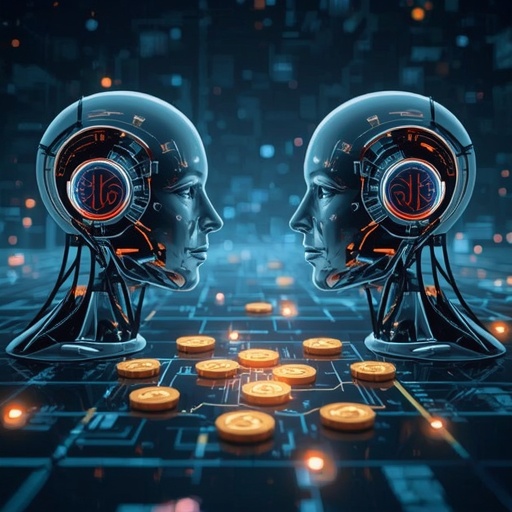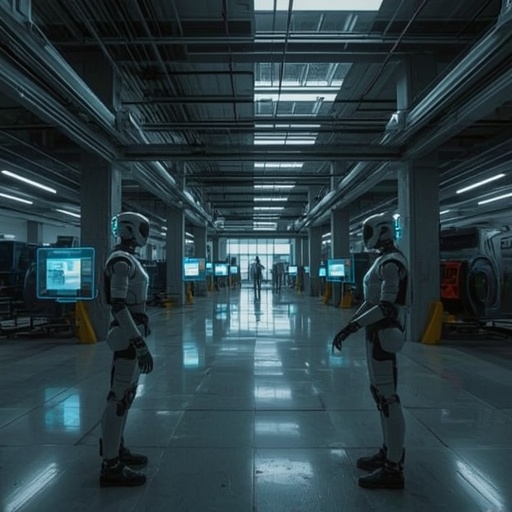
Amazon has ushered in a remarkable new chapter in the evolution of warehouse automation by enhancing its renowned Proteus robot with the ability to comprehend and respond to human language. This technological leap marks far more than a routine software update—it represents a profound redefinition of how artificial intelligence integrates into the physical world of logistics and supply chain management. Through advanced natural language processing, warehouse employees can now engage in direct verbal communication with Proteus, issuing instructions, clarifying priorities, or requesting real-time updates without relying on control panels, specialized codes, or programming interfaces.
The implications of this breakthrough are immense. By bridging the linguistic divide between human workers and autonomous systems, Amazon is not only streamlining the operational flow within its vast distribution centers but also strengthening the harmony between human intuition and machine precision. A simple verbal command such as “move this pallet to storage zone B” or “confirm the inventory count for aisle seven” can now be understood, interpreted, and executed seamlessly by Proteus. This intuitive interaction minimizes errors, accelerates workflows, and significantly enhances safety by reducing the need for human workers to interact physically with moving machinery in high-traffic areas.
Beyond pure efficiency, the development symbolizes a deeper philosophical shift in automation—one where machines are no longer silent tools but responsive collaborators capable of dynamic dialogue. The Proteus robot’s capacity for speech comprehension transforms it from a purely mechanical entity into an active conversational participant in the warehouse ecosystem. Each spoken command becomes an element of an ongoing exchange between human cognition and algorithmic intelligence.
In practice, this language-enabled Proteus brings measurable value to logistics operations. Tasks traditionally requiring multitiered human coordination—involving handheld scanners, screens, or manual confirmation—are now consolidated through natural conversation. Workers can remain focused on oversight and decision-making rather than on repetitive data entry or system navigation. This fluid interaction model also allows for faster onboarding of new employees, who no longer need to memorize complex procedural syntax; instead, they can speak as they would to a fellow colleague.
From a technological standpoint, the upgrade integrates speech recognition, contextual awareness, and adaptive learning algorithms, enabling the robot to refine its understanding over time. The system learns from patterns in worker instructions, adjusting to site-specific terminology or regional accents. This adaptive intelligence ensures that communication remains precise and resilient even in the acoustically complex environment of an industrial warehouse.
More broadly, Amazon’s innovation raises thought-provoking questions about the next frontier of human–machine collaboration. What once seemed the realm of speculative fiction—a warehouse where robots not only act but converse—has now entered tangible reality. The Proteus initiative demonstrates how artificial intelligence can enhance productivity while maintaining a distinctly human-centered approach to design. This is not merely automation for efficiency’s sake; it is automation that listens, responds, and cooperates.
In essence, the speaking Proteus robot represents a confluence of linguistic AI, robotics engineering, and industrial design aimed at redefining logistics for the 21st century. It symbolizes the culmination of years of incremental advancement toward a warehouse environment where every moving element—from human worker to intelligent machine—operates in conversational synchrony. With this breakthrough, Amazon signals a bold vision of the future: one in which communication, intuition, and artificial intelligence merge to create a seamless and intelligent supply chain network that quite literally speaks the language of progress.
Sourse: https://www.theverge.com/ai-artificial-intelligence/942884/amazon-next-generation-warehouse-robot-proteus