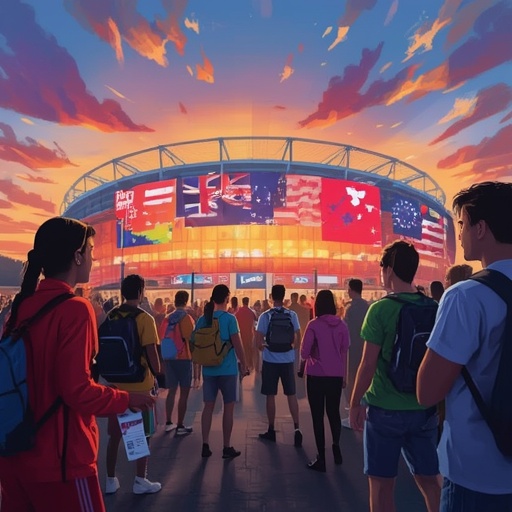
The World Cup has long been recognized as far more than just an international sporting competition; it represents a rare and powerful moment of unity, where people from vastly different cultures, languages, and nations gather to celebrate a common passion. Throughout history, football has served as a universal language, bridging divides and creating shared memories that transcend geographical and social boundaries. Every four years, the tournament transforms cities into global meeting grounds, filled with chants, laughter, and the electrifying energy of hope and pride.
Yet, this cherished inclusivity may be in jeopardy. The escalating costs of travel, accommodation, and match tickets have begun to cast a shadow over the event’s longstanding reputation for accessibility. What was once a dream within reach for families, students, and working-class supporters increasingly feels like a privilege reserved for the very few who can afford the mounting expenses. Flights and hotels in host nations often surge to unprecedented prices, while even basic matchday seats fetch sums that surpass the average monthly income in many countries.
This shift raises an important and uncomfortable question: can a celebration that thrives on mass participation truly fulfill its purpose if the majority of fans are forced to watch from afar? The World Cup’s essence has always lived in the collective roar of voices filling stadiums, the spontaneous street celebrations, and the sense of belonging that comes from knowing the entire world is watching together. When these experiences become exclusive commodities, the spirit of unity begins to fracture.
It is worth reflecting on ways to restore balance. Ensuring broader access could mean reevaluating pricing structures, prioritizing affordable ticket allocations for local and global fans alike, and encouraging initiatives that make travel and accommodations more attainable. After all, the beauty of this game — and of this tournament — lies in its ability to welcome everyone, regardless of background or income. The joy, pride, and sense of connection that football inspires belong not only to the privileged few but to the global community that has nurtured the sport for generations.
In the era of commercial expansion and luxury sponsorships, safeguarding the inclusive magic of the World Cup has never been more vital. By keeping accessibility and fairness at the heart of planning, we can ensure that future tournaments remain what they were always meant to be — a shared global celebration of humanity’s love for the beautiful game.
Sourse: https://www.businessinsider.com/attended-four-world-cups-most-us-expensive-2026-6