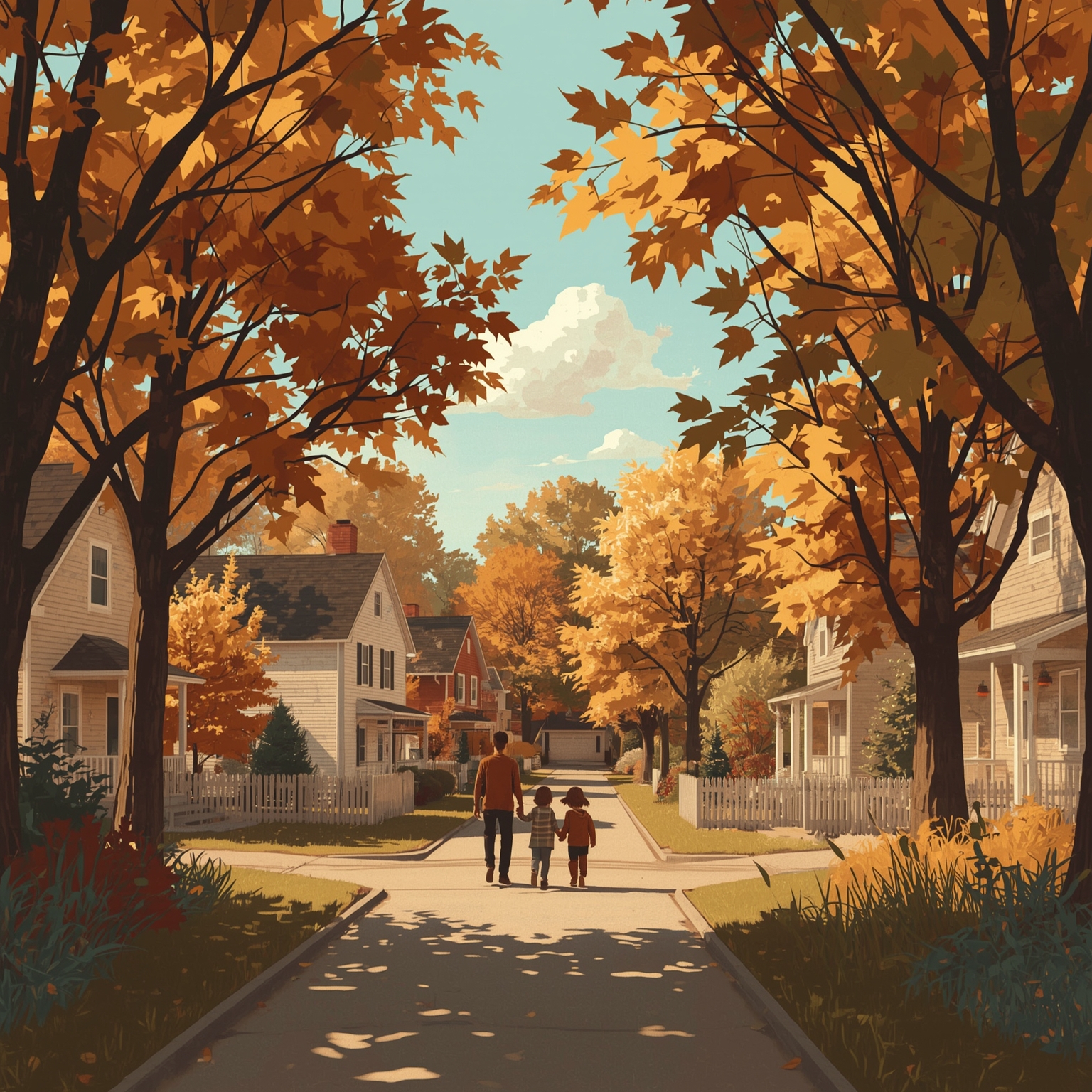
For twenty years, the vibrant city of Washington, D.C., formed the foundation of my adult life. It was there that I pursued my education, forged meaningful friendships, met the man who would later become my husband, and ultimately built a blended family that became the center of my everyday existence. When we finally purchased a home in Kenwood—a postcard-worthy neighborhood nestled in the Maryland suburbs, where manicured lawns and tree-lined streets evoked the wholesome tranquility of a Norman Rockwell painting—we genuinely believed we had found our forever home. Yet, fate had other plans.
When the coronavirus pandemic swept across the world, that stillness we once cherished transformed into an uneasy quiet that magnified the deep ache of separation from those we loved. Special occasions once marked by hugs and laughter became pixelated gatherings on Zoom; grandparents blew kisses through computer screens; and cousins seemed to grow older—taller, more independent—beyond the frame of our devices. Each missed milestone underscored an ever-growing longing for proximity and connection. We wanted our children to experience authentic relationships with their extended family, not merely digital approximations of them.
As months turned into years, that desire intensified. By 2023, our family dynamic had shifted—one of my stepchildren now thriving in college, the other freshly graduated from high school—and the timing at last felt serendipitous. So, with both apprehension and anticipation, we packed our belongings, bundled up our toddler and preschooler, and headed north to the suburbs just outside New York City, a place where nearly all of my relatives live within a comfortable ten-mile radius. I had never envisioned myself moving back to the town of my childhood, yet what began as a practical decision soon became a profound rediscovery of belonging. The move reshaped not only my children’s upbringing, but also my own evolving notion of what it means to be home.
Life in the D.C. area, wonderful as it was, had become dominated by the constant choreography of commutes—our supposed “free time” devoured by endless hours of driving between playdates, enrichment classes, errands, and appointments spread across Montgomery County and the city itself. By contrast, our new town in New York encompasses nearly everything we need within the span of a single scenic square mile: the elementary school my own childhood footsteps once echoed through, our temple, friends’ homes, extracurricular activities, grocery stores, even a beach close enough for spontaneous evening strolls. What was once a tense routine marked by white-knuckled steering and traffic lights has transformed into leisurely walks and bike rides beneath familiar trees.
Weekends, once fragmented by logistics, have taken on new meaning. We begin Sabbath mornings by strolling to a nearby café for breakfast, wander through the local farmers market with its colorful stalls and chatter, swim at the modest yacht club overlooking the bay, and spend lazy afternoons at the same park where I, decades ago, used to scramble up the very same oversized boulders now climbed by my children. Each small ritual stitches together past and present, forming a tapestry of continuity that feels both grounding and liberating.
Of course, leaving Washington meant parting from friendships that had developed organically over two decades—people who had been my companions through the unpredictable rhythms of my twenties and thirties. Those bonds still matter deeply. Yet, with marriage, parenthood, and the shifting identity of a blended family, I recognized that I had quietly evolved into a different version of myself. Relocating to a new place offered not an erasure of what came before but an open invitation to begin again.
In our new community, many residents share a similar post-pandemic story—families re-evaluating priorities, craving closeness and simplicity. That collective mindset breeds openness, making connections feel both immediate and genuine. My husband and I soon found ourselves socializing regularly with other couples, I joined a dynamic book club, and within months my closest friend here felt as if she had been part of my life for decades. Our children, too, adjusted effortlessly; their new friendships blossomed naturally in playgrounds, classrooms, and on neighborhood streets. We’ve come to know the local shopkeepers by name, and our weeks now carry a pleasant rhythm—Friday evenings spent biking with neighbors to the temple for family Shabbat, heartfelt conversations under gentle twilight. Relationships that once felt scattered now feel both broader and deeper—infused with warmth, spontaneity, and a sincerity that enriches everyday life.
Perhaps the most transformative change has been the seamless integration of extended family into our daily routines. My mother’s beloved chocolate shop sits just a block from the kids’ school, providing us an irresistible excuse to stop by on the walk home for sweet treats and conversation. My father and stepmother often drop in early on weekends, a paper bag filled with fresh bagels in hand, joining us for breakfast before the days unfold. My sister and I—each now mothers of lively children—regularly orchestrate playdates that feel equal parts chaotic and magical, a living echo of our own shared childhood.
We have also revived one of our most cherished family customs: Sunday dinners. What was once a treasured memory from my youth has reemerged as a vibrant weekly ritual. Around our table, three generations gather over home-cooked meals, laughter, and stories—our children forging strong, tangible connections with their cousins, aunts, uncles, and grandparents. Surrounded by such steadfast support, my husband and I gained the confidence to make a decision we had only dreamed of before: in 2024, we welcomed our third child. The presence of family everywhere—helping hands, joyful hearts—made the idea of expanding our home not only feasible, but profoundly joyful.
Moving back, I’ve realized, offered us far more than a comforting dose of nostalgia. It granted us a deeper, more enduring future. Leaving behind our D.C. neighborhood was no easy feat; it meant saying goodbye to stability, routines, and friendships that had shaped years of our lives. During our first uncertain months, we occasionally questioned whether our leap of faith had been a sentimental misstep. But gradually, clarity emerged. Being here allows us to live fully in alignment with our most essential values: community, connection, and family. Returning to my hometown was never merely about retracing old paths—it was about redefining home itself, both for our children and for the people we are still becoming. If I have learned anything from this chapter, it’s that sometimes the most transformative journeys in life do not require starting anew elsewhere—they simply call us back to where love, meaning, and belonging have been quietly waiting all along.
Sourse: https://www.businessinsider.com/moved-family-back-to-hometown-benefits-raising-kids-2025-10