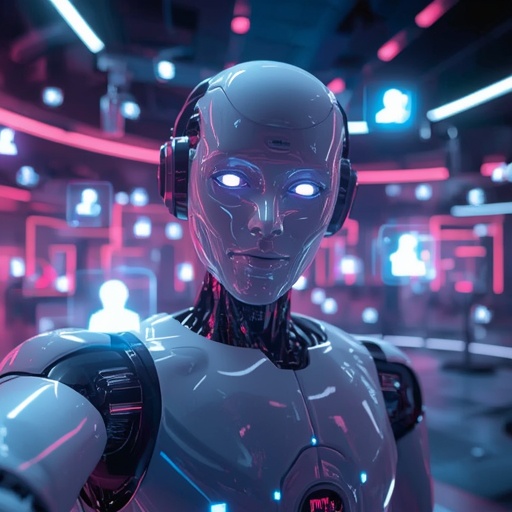
Artificial intelligence has advanced to the point where virtual influencers—those entirely generated by algorithms—are becoming nearly indistinguishable from their human counterparts. Across social media platforms, these digital personas now curate lifestyles, promote products, and engage in conversations with audiences as convincingly as any human content creator. The seamless integration of AI into influencer culture raises profound questions about perception, authenticity, and the future of creativity in the digital realm.
In the past, identifying AI-generated content was relatively straightforward; robotic phrasing, uncanny visuals, or repetitive behavior often betrayed its non-human origins. Today, however, cutting-edge generative models synthesize extraordinarily lifelike images and text, allowing AI influencers to emulate emotional nuance, cultural awareness, and narrative continuity with startling precision. These virtual figures may have meticulously designed backstories, distinctive personalities, and even artificially generated voices tailored to resonate with specific demographics. For instance, a fashion-focused AI might project confidence, elegance, and inclusivity, while a gaming-oriented avatar communicates humor and relatability. Through careful data-driven optimization, each post these entities produce reinforces brand identity and deepens audience engagement.
This phenomenon is fundamentally reshaping the creator economy. Traditional influencers—once valued primarily for their personal charm and perceived authenticity—now compete with AI-driven identities capable of endless adaptability, global reach, and perfect on-brand consistency. Brands increasingly turn to synthetic influencers for campaigns, attracted by their precise controllability, lack of ethical complications, and immunity to controversy. Yet this shift complicates our understanding of trust and human connection. When every smile, opinion, and expression is computationally crafted, the notion of genuine creativity becomes blurred, prompting consumers to question who—or what—they are truly engaging with online.
From an ethical standpoint, the rise of AI influencers prompts debate about transparency and representation. Should audiences always be informed that a creator is synthetic? Does the emotional attachment formed with an artificial persona carry the same meaning as human interaction, or does it trivialize authentic relationships? Additionally, the cultural impact of algorithmic creativity invites reflection on broader issues such as labor displacement in the digital creative sector, the ownership of AI-generated works, and the regulation of synthetic identities.
Nevertheless, AI-driven creators also open new horizons for artistic experimentation and inclusive storytelling. They can embody identities unbound by physical constraints, explore imaginative aesthetics, and serve as vehicles for innovation in branding and digital art. Whether viewed as tools or collaborators, these algorithmic entities symbolize a pivotal transformation in how humanity conceives of influence, artistry, and authenticity in the online age.
The ultimate question remains: in a world where algorithms can convincingly mirror the subtleties of human behavior, will audiences continue to value the imperfect yet profoundly real nature of human expression—or will artificial perfection redefine what it means to create, communicate, and connect?
Sourse: https://www.theverge.com/ai-artificial-intelligence/943187/ai-content-creators