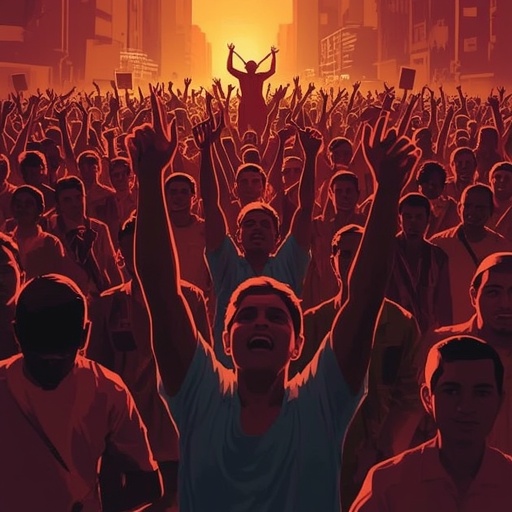
Across the vast social landscape of modern India, a powerful and deeply symbolic movement is emerging among the nation’s younger generations. Thousands of young people, confronted daily with the frustrations of unemployment, systemic corruption, and broken promises, have chosen to reclaim a word once meant to belittle them: ‘cockroach.’ Rather than accepting it as an insult, they have transformed it into a striking emblem of endurance, self-awareness, and quiet defiance. By naming themselves after one of the most persistent creatures on earth, these youth are conveying a profound message — that even in a decaying and unjust system, they will not be eradicated. They will survive, adapt, and ultimately rebuild.
This seemingly small linguistic revolution carries immense psychological and cultural weight. Language, after all, shapes how individuals see themselves and how societies perceive them. In appropriating an image historically associated with disgust or insignificance, India’s youth are turning weakness into power. The ‘cockroach’ becomes a metaphor for human persistence: a being that lives in the shadows of towering structures, surviving neglect and aggression alike. It is a creature that endures every attempt to crush it — and in doing so, mirrors the resilience of those forsaken by the institutions meant to sustain them.
This act of redefinition also underscores a larger generational awakening. These young people, many of whom feel invisible in a society dominated by inequality and nepotism, are finding solidarity in shared hardship. By uniting under this raw, provocative symbol, they express both bitterness and hope — bitterness for a system that has failed them, and hope that through persistence, their collective voice may eventually force change. The ‘cockroach’ identity thus becomes less about despair and more about renewal: a refusal to disappear, a declaration that life will push forward even in the most hostile conditions.
Ultimately, this movement reaches beyond mere words. It encapsulates a deeper transformation taking place within the consciousness of India’s youth. What might first appear as irony or dark humor is, in fact, an act of reclamation — a protest shaped through creativity, wit, and resilience. It demonstrates how those long disregarded can, through a single shared symbol, challenge society’s hierarchies and redefine what dignity looks like. In reclaiming ‘cockroach’ as their own, India’s young people are not crawling through the cracks of a broken world — they are, instead, rewriting what survival itself means within it.
Sourse: https://www.businessinsider.com/india-cockroach-janta-party-unemployment-protest-democracy-gen-z-2026-6