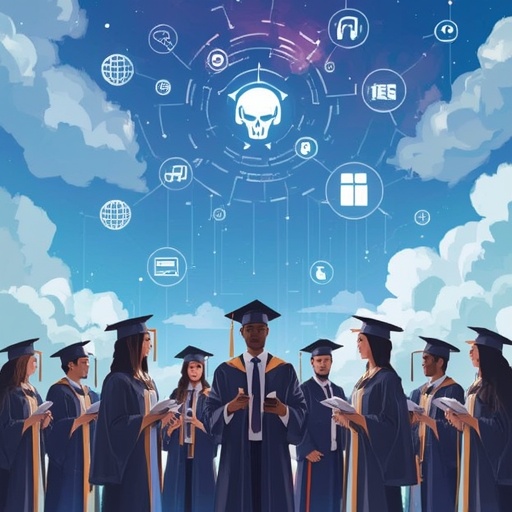
In recent weeks, a striking phenomenon has captured the attention of both the academic and technology worlds: during several commencement ceremonies, groups of university graduates voiced audible disapproval when invited speakers praised artificial intelligence with excessive enthusiasm. What might seem at first like spontaneous unrest is, in fact, a meaningful social signal—an articulation of the younger generation’s growing discomfort with how AI is being promoted as a panacea for the future. These graduates, standing at the intersection of education, innovation, and ethical reflection, are not simply rejecting technology itself; rather, they are expressing a need for a more balanced, transparent, and human-centered conversation about its place in society.
Microsoft, one of the most visible leaders in the AI revolution, has taken notice of this wave of dissent. In a recent public statement, the company emphasized that these reactions should not be dismissed as cynicism or resistance to progress. Instead, they represent an important opportunity for dialogue. By listening to students’ concerns—whether about job displacement, data privacy, or the erosion of creative authenticity—Microsoft acknowledges that progress depends not only on technical advancement but also on social responsibility and empathy. This recognition underscores a broader truth: innovation becomes meaningful only when it is informed by human values and lived experience.
Across campuses, the emerging tension between admiration for AI’s potential and skepticism about its implications mirrors global anxieties. How do we keep technology accountable to the people it claims to serve? How can optimism coexist with critical awareness? Microsoft’s call for open, two-way communication reflects a refreshing shift away from the defensive posture often assumed by tech giants. Instead of insisting on AI’s inevitability, the company invites a participatory process—one where the next generation of leaders, developers, and thinkers can influence not just what AI can do, but what it should do.
In this moment, graduation ceremonies have become more than symbolic celebrations; they are cultural touchpoints where the hopes and fears surrounding technology converge. The young voices that challenge AI hype remind corporate leaders that true innovation thrives on questioning, not blind acceptance. They urge for systems that complement rather than replace human insight, creativity, and agency. Microsoft’s commitment to listening signals that these conversations may serve as the foundation for more inclusive technological progress. By transforming confrontation into collaboration, education and industry together can redefine the future of technology—not as a force to be feared or idolized, but as a shared endeavor shaped through continual dialogue, reflection, and mutual respect.
Sourse: https://www.theverge.com/news/947831/college-speakers-booed-ai-microsoft