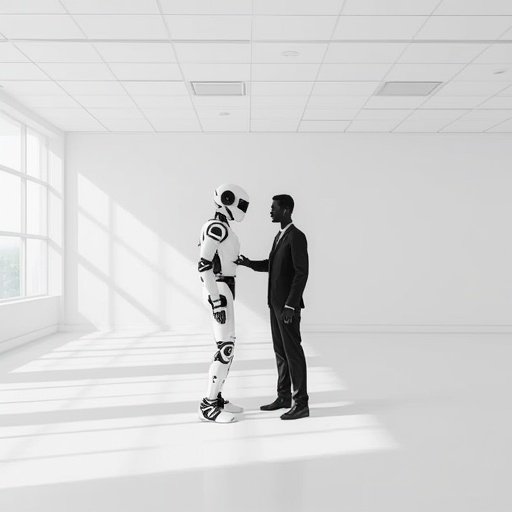
Apple’s new evolution of Siri represents a turning point in how artificial intelligence is integrated into our daily digital lives. The updated version of the virtual assistant demonstrates a higher level of perceptiveness, emotional intelligence, and awareness of the user’s needs — not by engaging in endless chatter or pretending to be a virtual friend, but by displaying the rare ability to know when silence is most valuable. While many AI-driven systems today are programmed to emulate human companionship, adopting language patterns designed to draw the user into a seemingly social exchange, Apple has deliberately charted a more restrained and deliberate course. The redesigned Siri is, by intention, a helper that provides concise, targeted, and contextually appropriate responses. Instead of competing for attention or affection, it supports productivity and enhances efficiency through clear communication while maintaining the boundaries that ought to exist between technology and its users.
This reimagined design signals more than just a technical update — it illustrates Apple’s broader philosophical stance on artificial intelligence. In contrast to the growing tendency among AI developers to anthropomorphize their systems and blur emotional boundaries, Apple’s decision underscores a careful commitment to respect user agency and psychological comfort. The new Siri embodies a fundamental principle: technology should serve without intruding, assist without overwhelming, and communicate without dominating the interaction. For example, when asked for a complex piece of information or assistance, Siri now provides a thoughtful, well-structured response that directly addresses the request and then retreats gracefully, leaving space for human thought and decision-making. This subtle behavioral refinement is a reflection of how deeply Apple considers the emotional texture of human–AI relations.
Moreover, Apple’s focus on responsible AI design sets it apart in an era obsessed with creating artificially personable entities that often overstep by striving for intimacy rather than utility. The company’s engineers and designers appear to recognize that what most users value today is not artificial companionship, but clarity, privacy, and efficiency. In workplaces, homes, and public environments, the ability of AI to remain useful yet unobtrusive is critical. Siri’s measured tone, polite manner of phrasing, and new contextual restraint ensure that users maintain control of the conversation — a sign of maturity in AI ethics and design. In practical terms, it could mean that Siri won’t over-explain, interject unsolicited comments, or create the illusion of empathy where none exists, but instead will act as what its name originally promised: an intelligent assistant.
This evolution of Siri also reflects a larger shift in cultural expectations around technology. As society learns to coexist with autonomous systems, people are beginning to differentiate between tools designed for dialogue and those meant for facilitation. Apple’s decision not to frame Siri as a simulated companion acknowledges this distinction and reaffirms its commitment to human-centered technological advancement. By instructing its virtual assistant to recognize conversational closure, to withdraw when interaction is complete, and to preserve user focus, Apple offers an elegant counterproposal to the noisy digital landscape dominated by artificially social machines. In doing so, it redefines the role of intelligence in modern computing — reminding us that being truly smart is not just about talking more, but about understanding when to say less.
Sourse: https://www.theverge.com/tech/948890/siri-wont-be-your-ai-girlfriend