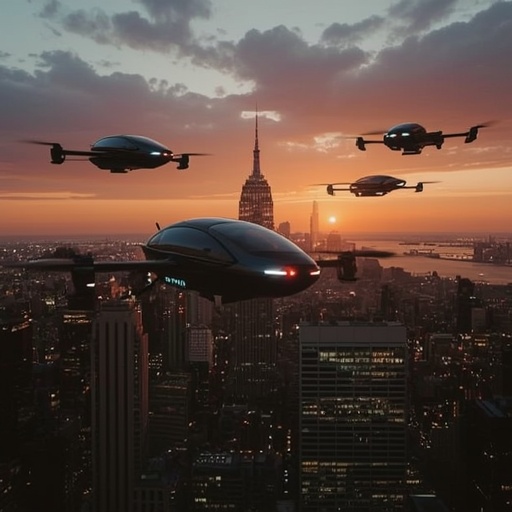
Electric air taxis were once heralded as the next monumental leap in urban transportation—symbols of an age that would merge sustainability, efficiency, and cutting-edge aviation technology into one seamlessly integrated mobility solution. These futuristic aircraft, designed to rise vertically from crowded city hubs and glide silently over snarled traffic, promised to reimagine the very fabric of metropolitan movement. Yet, despite years of rapid technological progress, dazzling prototypes, and investor enthusiasm, this vision of airborne urban mobility has encountered an unexpected headwind: a tangled web of legal, regulatory, and infrastructural challenges that have temporarily grounded the dream.
The courts, regulatory agencies, and lawmakers now find themselves at the center of a debate that weighs safety and public interest against the urgent push for innovation. On one hand, these aerial vehicles offer the potential to drastically alleviate ground congestion, reduce carbon emissions, and democratize fast, point-to-point travel. On the other, they raise complex questions about airspace management, noise pollution, pilot certification, and the limits of municipal oversight. Each of these factors has now evolved into a battleground where innovation meets bureaucracy, and progress must navigate an intricate maze of legal scrutiny before it can ascend into everyday reality.
The legal turbulence surrounding the sector has created ripples that extend far beyond manufacturers and tech enthusiasts. Investors who once saw the field as a blue-sky opportunity are now reassessing timelines, while urban planners are confronted with the task of integrating aerial corridors, rooftop ports, and charging infrastructures into landscapes already bursting with competing priorities. Moreover, local communities—whose trust and acceptance will ultimately determine the fate of these services—demand guarantees of safety, low noise levels, and equitable access. Transparency and collaboration between private enterprises and regulatory agencies have therefore become paramount.
Yet, despite the temporary grounding, optimism persists. History shows that every major technological shift—whether the introduction of the automobile, commercial aviation, or autonomous vehicles—has endured periods of legal friction before achieving mainstream acceptance. The same may soon prove true for electric air taxis. As legislative frameworks mature and standardized safety certifications emerge, the road (or rather, the sky) could eventually clear for takeoff. When that moment arrives, cities may finally experience the quiet, sustainable, and connected aerial mobility revolution that has long been promised.
Until then, the future of electric air taxis remains suspended between visionary ambition and judicial reality. Whether courts will slow the industry’s ascent or ultimately provide the legal clarity needed for innovation to thrive is a question that continues to captivate technologists, policymakers, and dreamers alike. What’s clear, however, is that the race toward urban air mobility is not over—it’s merely in a holding pattern, waiting for its chance to soar.
Sourse: https://www.theverge.com/column/950975/electric-air-taxis-lawsuits