In today’s rapidly evolving technological landscape, artificial intelligence has begun to redefine not only the mechanics of how we write code but also the emotional experience of those who do it. According to Fiona Fung, the head of engineering at Anthropic, the emergence of sophisticated coding assistants—most notably tools such as Claude Code—has introduced a remarkable paradox within the software development world. On one hand, these AI-driven systems have dramatically increased productivity, accelerating the pace at which complex tasks can be executed and allowing programmers to achieve in minutes what might have required hours or even days in the past. Yet, on the other hand, they have unwittingly reshaped the human dynamic that once animated the engineering workplace.
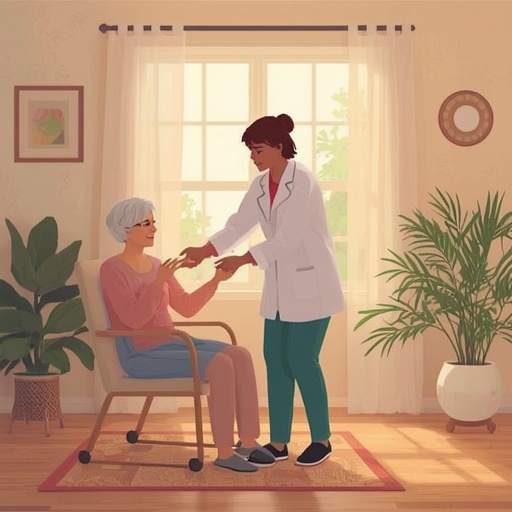
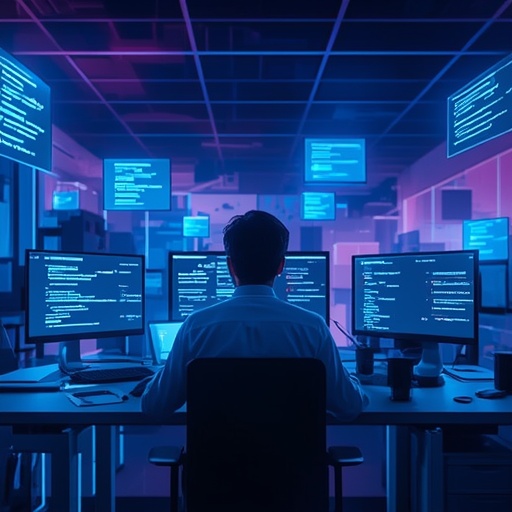
Fung observes that as developers increasingly collaborate with intelligent algorithms rather than with human colleagues, a subtle but pervasive sense of isolation has begun to take root. The coding process, once a deeply social endeavor characterized by real-time problem‑solving sessions, spontaneous discussions, and shared triumphs over technical obstacles, now risks becoming an individualized, almost solitary pursuit mediated by digital companions that lack empathy or genuine creative dialogue. This shift, while outwardly efficient, raises profound questions about the psychological costs of automation in professional environments that once thrived on community and collective innovation.
Recognizing this tension, Anthropic’s engineering leadership has turned its focus toward designing new modes of digital collaboration that integrate the efficiency of AI with the essential human need for connection. Fung and her team are actively exploring strategies that encourage communication, knowledge sharing, and mentorship even within AI‑augmented workflows. For instance, rather than allowing Claude Code to replace interpersonal exchange, they are studying how it might serve as a catalyst for richer conversations—by freeing engineers from mundane, repetitive coding tasks so they can dedicate more time to creativity, design discussions, and mutual learning.
The broader challenge, Fung suggests, lies in ensuring that the pursuit of automation does not inadvertently erode the collaborative spirit that has long defined the engineering profession. As technology continues to evolve, leaders must cultivate workplaces where efficiency and empathy coexist; where developers feel both technically empowered and emotionally connected. In this vision of the future, AI coding assistants will not isolate humans but amplify their capacity to collaborate meaningfully—transforming solitude into focus, and automation into an instrument for deeper human creativity and collective progress.
Sourse: https://www.businessinsider.com/anthropic-claude-code-ai-engineering-loneliness-fiona-fung