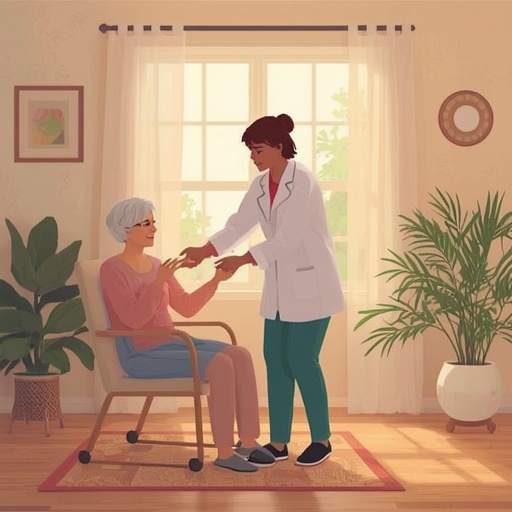
In many households around the world, love and duty often intersect at the most vulnerable moments of life, especially when illness or old age turns a family member into a full-time caregiver. This story captures such a transformative intersection — a woman who, when facing her husband’s sudden illness, made the agonizing decision to leave her career behind in order to give him the devoted care he needed. Yet, while her compassion was boundless, the emotional burden was accompanied by harsh economic realities. Without an income, caring became a test not only of endurance but of survival.
Recognizing that countless families face similar struggles, a new caregiver support program was created to help turn personal sacrifice into sustainable stability. This innovative initiative provides essential training for family caregivers, empowering them with the professional skills necessary to deliver quality home-based care while also offering fair financial compensation for their dedication. In doing so, the program honors the unseen labor so many loved ones perform every day — an act of devotion that too often goes unacknowledged in traditional employment or social support systems.
In the story’s heart lies a simple yet profound truth: compassion, when given structure and recognition, becomes not only an emotional gift but a source of economic empowerment. For this woman, the program became more than just an opportunity — it represented a lifeline. It allowed her to remain by her husband’s side, preserving both his dignity and her own sense of purpose, while easing the financial strain that caregiving can impose.
Through her experience, we are reminded that caregiving is not a marginal act of service; it is the thread that sustains the wellbeing of families and, by extension, entire communities. Programs like this one are pioneering a much-needed cultural shift — one that sees caregiving as a skilled, vital, and honorable form of work. They inspire discussions about the need to value compassion not as an intangible emotion but as a social force deserving of institutional support.
Ultimately, this initiative demonstrates that when societies invest in those who care, they invest in the very foundation of human resilience. Every hour spent tending to a loved one’s needs, every sleepless night, and every quiet act of patience builds a legacy of empathy that transcends individual families. This new model ensures that such devotion is recognized, nurtured, and fairly compensated, turning love itself into both a vocation and a sustainable life path for those who give so generously of their hearts and time.
Sourse: https://www.businessinsider.com/quit-work-care-sick-husband-little-known-program-pays-me-2026-6