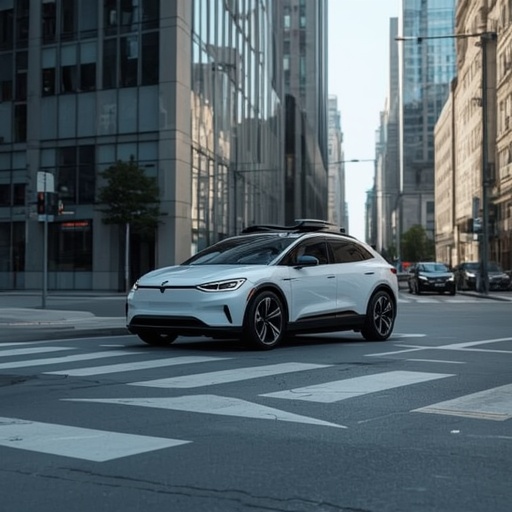
In the wake of a tragic and widely publicized automobile accident in Texas, Tesla has found itself at the center of an intense global conversation about the safety, reliability, and transparency of its renowned Autopilot system. The company, long known for its commitment to innovation and bold technological advancement, is now working vigorously to challenge misconceptions circulating in the media and among the public regarding the circumstances of the crash. According to Tesla representatives, premature conclusions have been drawn before the release of complete data from the vehicle’s internal logs—information that could ultimately determine whether the Autopilot system was engaged, overridden by the driver, or functioning outside of its intended operational parameters. These electronic data logs, often referred to as the ‘black box’ equivalents for Tesla vehicles, contain critical timestamps, steering corrections, and control inputs that will be pivotal for investigators as they piece together the chain of events leading up to the incident.
Investigators and technical experts are methodically analyzing the recorded data to ascertain the exact sequence of actions taken by the vehicle and its occupants. At the heart of this process lies an essential question that transcends this individual event: to what extent should society rely on semi-autonomous systems to assist human decision-making on public roads? Tesla, in its official statements, emphasizes that Autopilot is a driver-assistance technology rather than a fully autonomous self-driving platform. It requires continuous supervision by a licensed driver who remains alert and prepared to intervene at any moment. This nuance—although clearly articulated in company documentation and vehicle prompts—is frequently misunderstood, often leading to public confusion about the system’s true capabilities.
The fatal crash has reignited the debate over the intersection of innovation and accountability within the fast-evolving automotive industry. Observers note that the event comes at a time when competition in the autonomous and electric vehicle markets has intensified, and public confidence in advanced driving systems plays a decisive role in shaping market adoption. Tesla’s response underscores the company’s insistence on data-driven transparency: rather than engaging in speculation, officials urge commentators and the public to wait until investigators complete their analyses of telemetry, braking records, and onboard sensor readings. Only through this evidence-based process, they argue, can investigators fairly determine whether the vehicle’s advanced systems operated within their expected parameters.
This incident further illuminates the broader societal responsibility to maintain clear communication about emerging technologies—particularly those that blur traditional distinctions between human control and machine operation. The company’s efforts to clarify details and defend the Autopilot’s reputation are not merely attempts at brand preservation but part of an ongoing conversation about how humans and intelligent algorithms will coexist in the ecosystems of modern transportation. Tesla’s public statements stress that accountability must be shared among manufacturers, drivers, and regulators alike. Each actor bears responsibility for ensuring that safety standards evolve alongside the sophistication of the tools we use.
Ultimately, while this tragedy serves as a sobering reminder of the stakes involved in pioneering next-generation mobility solutions, it also reinforces the necessity of transparency, data integrity, and measured discourse in evaluating the role of artificial intelligence on our roads. The findings of investigators, once published, will—Tesla hopes—contribute to a more informed public understanding of how autonomous and semi-autonomous technologies actually function under real-world conditions. Until then, the company continues to highlight one unchanging principle: meaningful progress in automation must always be anchored in human awareness, ethical design, and the unwavering pursuit of truth grounded in verifiable data.
Sourse: https://techcrunch.com/2026/06/22/tesla-pushes-back-on-autopilot-narrative-after-fatal-texas-crash/