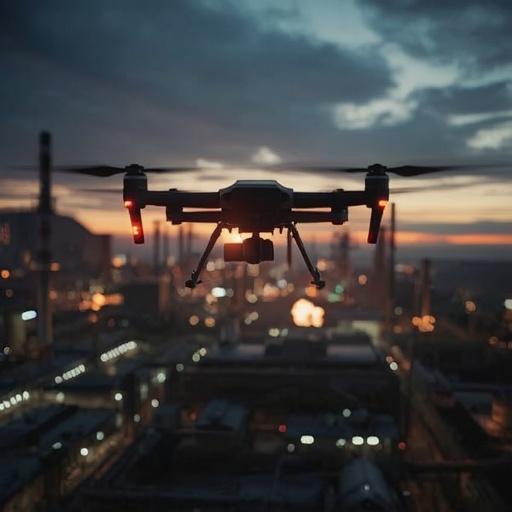
Ukraine’s drone warfare initiative represents far more than the tactical use of unmanned aerial vehicles on the modern battlefield—it signifies a transformation in how nations project influence, assert control, and adapt to an increasingly technological era of conflict. Once confined to reconnaissance missions or limited strikes, drones have now evolved into decisive instruments of strategic disruption. In Ukraine’s case, these unmanned systems have penetrated deep within Russian territory, targeting vital components of the enemy’s energy infrastructure and thereby eroding both logistical stability and economic resilience.
By methodically striking crude oil facilities, refineries, and other transportation nodes essential to Moscow’s export power, Ukraine has introduced a multifaceted form of pressure that extends beyond the front lines. Such tactics illustrate how coordinated intelligence, iterative design, and rapid innovation can weaken an adversary’s ability to sustain a prolonged military effort, while simultaneously recalibrating the geopolitical calculus underpinning energy security worldwide. Each successful operation demonstrates not only superior adaptability but also the symbiotic integration of engineering, surveillance, and data analysis into warfighting doctrine.
This new paradigm of engagement brings to light an intersection of technology and statecraft rarely seen on such a scale. The quiet hum of a drone crossing hostile airspace now carries immense symbolic weight—it embodies both resistance and reinvention. Through this campaign, Ukraine challenges traditional notions of asymmetric warfare; rather than compensating for limited resources, it leverages precision targeting and automated autonomy to reshape the environment of modern conflict itself. The ultimate consequence is a battlefield no longer defined strictly by territory, but by the control of networks, data, and supply dependencies.
In an age where innovation rivals firepower, Ukraine’s initiative exemplifies the fusion of national determination with cutting-edge defense engineering. The result is a strategy that destabilizes not only the physical assets of an opponent but also its conceptual confidence in old military paradigms. The conflict unfolding over Eastern Europe thus provides more than a dramatic narrative of drones and explosions—it stands as a case study in how digital tools, when wielded with strategic foresight, can dismantle legacy systems of global power, forcing even the most entrenched energy empires to adapt or decline.
Sourse: https://www.businessinsider.com/inside-ukraines-secret-drone-campaign-hitting-sites-in-russia-2026-6