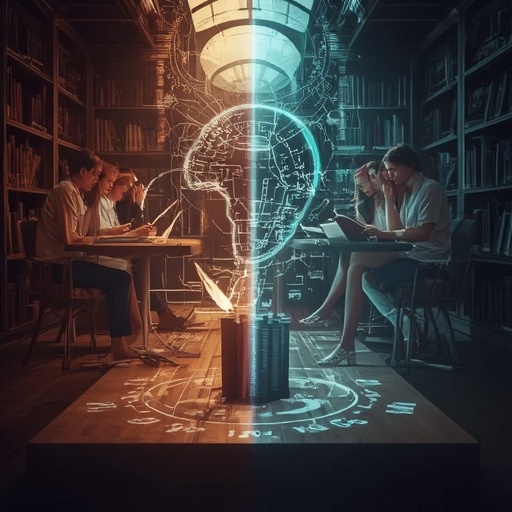
The contemporary landscape of fanfiction has become a battleground where artistic passion collides with technological advancement. Within this vibrant, often fiercely creative community, a deep schism has emerged surrounding the emergence of AI-generated narratives. Many dedicated writers have spent years crafting emotionally resonant stories that expand upon beloved fictional worlds, forming strong attachments to the characters and universes they reinterpret. Now, however, the influx of machine-written tales—produced through sophisticated generative models—has triggered a profound debate about the very nature of creativity and authenticity.
A rapidly growing faction within the community has launched an organized campaign to prohibit AI authors entirely, asserting that synthetic narratives lack the distinct human insight, emotional nuance, and lived experience that define genuine storytelling. These advocates argue that writing, at its core, is more than the structured manipulation of language; it is a uniquely human act of empathy and imagination that no algorithm can replicate. For them, AI-generated works threaten the integrity of a subculture that has long been a refuge for marginalized voices and overlooked artistic experiments. The movement seeks to protect the sanctity of participatory creativity that has sustained online fan communities for decades.
Yet, as noble as these intentions may appear, the methods employed to identify artificially produced stories have proven highly contentious. Many in the community fear that flawed or overly aggressive AI-detection tools could wrongly flag authentic human authors, tarnishing reputations and stifling their participation. Automatic classifiers, however advanced, struggle to interpret stylistic individuality or emotional subtext—qualities that often define fanfiction’s heartfelt prose. Consequently, writers face the unsettling prospect of being misjudged by the very systems designed to safeguard creative integrity.
This conflict has broader implications beyond fandom spaces. It raises critical ethical and philosophical questions about ownership, authorship, and the boundaries between human creativity and computational assistance. In a digital era where collaboration between person and machine is increasingly common, the line separating authentic expression from algorithmic imitation grows ever more blurred. Can artificial intelligence truly participate in artistic creation, or does it merely simulate the gestures of human imagination? Likewise, should platforms embrace innovation at the risk of eroding trust, or enforce purity at the cost of excluding legitimate voices?
As the debate intensifies, communities are compelled to redefine what authenticity means in the age of intelligent machines. Perhaps the challenge lies not in eradicating technology from artistic spaces, but in developing more thoughtful frameworks that recognize both its power and its limitations. The fanfiction world, long a haven for experimentation, now finds itself confronting its most complex narrative yet—a story about identity, creativity, and the evolving meaning of art in a world increasingly co-authored by code.
Sourse: https://www.theverge.com/tech/960854/ai-fanfiction-ao3-claude-detector