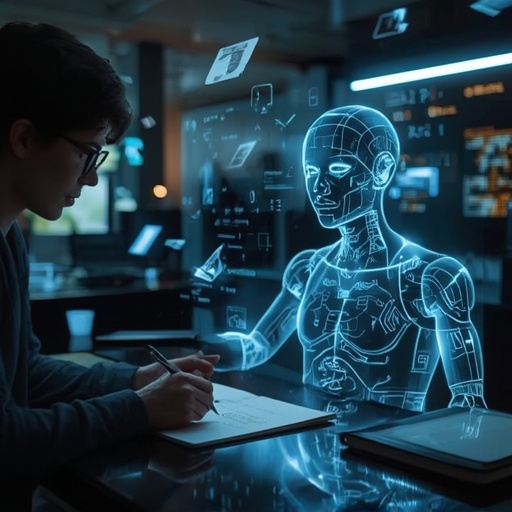
The emerging partnership between human creativity and artificial intelligence is beginning to transform the way stories are conceived, crafted, and refined. In this fascinating intersection of imagination and innovation, author Henry Blodget offers a striking example of how tradition and technology can coexist in harmony. Rather than relying entirely on digital tools, Blodget deliberately chose to compose his new book by hand — an intimate, tactile process that allowed him to channel personal emotion and nuance directly onto the page. Only after completing his handwritten manuscript did he invite AI into the creative process, not as an originator or a surrogate author, but as a discerning editorial partner capable of assisting with refinement, structure, and linguistic precision.
This collaboration represents more than a mere technical experiment; it underscores a broader cultural moment in which writers and artists are learning to navigate the evolving boundaries between authenticity and automation. By using AI selectively — as a tool to enhance rather than replace human expression — Blodget demonstrates that technology can serve as a catalyst for clarity, coherence, and creativity. His decision to maintain authorship while welcoming machine insight speaks to a growing recognition that artificial intelligence, when guided by human intention, can elevate artistic craftsmanship instead of diluting it.
Such a synthesis also gestures toward the future of publishing and storytelling, where the most compelling works may emerge from partnerships that blend the emotional depth of human experience with the analytical precision of intelligent systems. The handwritten page captures the spontaneity of thought, while the algorithmic editor ensures fluency, balance, and stylistic consistency. Together, they create something greater than either could achieve alone — a form of writing that honors the humanity of its creator while embracing the possibilities of the digital age.
In this new creative paradigm, authorship becomes not a question of control but of collaboration. The essential voice remains unmistakably human, yet it resonates with newfound subtlety when amplified by algorithmic assistance. Blodget’s approach invites readers, writers, and innovators to reconsider their assumptions about what it means to create in an era defined by technology. Perhaps the future of art will not be dominated by machines, nor preserved exclusively by human tradition, but realized through the graceful fusion of both — where pen and processor work in tandem to expand the boundaries of expression and imagination.
Sourse: https://www.businessinsider.com/henry-blodget-book-the-upgrade-ai-thriller-tech-supervillain-2026-7