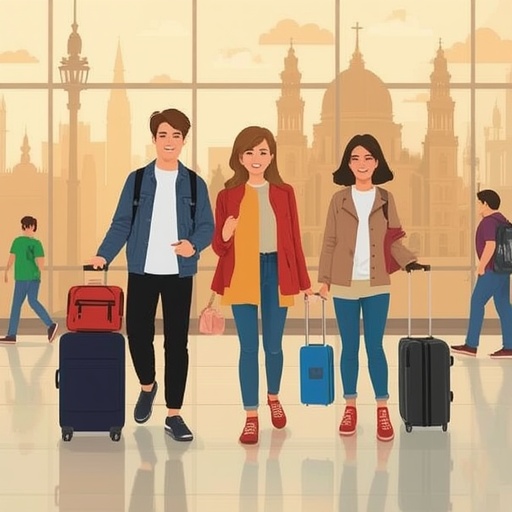
Traveling with teenagers, an experience that many parents approach with hesitation, doesn’t have to be a source of stress or frustration. In fact, with a thoughtful approach and a few time-tested strategies, journeys shared with teens can turn into some of the most rewarding and joy‑filled adventures possible. After spending years exploring new destinations with my own adolescent children, I have identified seven invaluable techniques that help transform family travel from chaotic to harmonious—allowing everyone, parents and teens alike, to remain engaged, rested, and genuinely happy along the way.
The first step toward success lies in adjusting expectations. Teenagers value autonomy and often crave opportunities to express independence, so a rigid, over‑scheduled itinerary can easily lead to conflicts or disengagement. Instead, crafting flexible timetables that leave space for detours and spontaneous discoveries often results in deeper enjoyment. For example, limiting lengthy museum visits and replacing them with a mix of short exhibits and interactive local experiences—like participating in a cultural workshop or sampling regional street foods—keeps the pace lively while satisfying everyone’s curiosity.
Equally important is the art of compromise. Parents who involve teens in decision‑making—whether by letting them choose one activity per day or select a dining spot—foster a sense of participation and responsibility. This shared agency helps them feel respected, turning potential complaints into cooperation. A well‑chosen balance between structured family experiences and self‑directed downtime tends to enhance harmony.
Another proven method involves smart technology management. Total screen restrictions often backfire, as teens use devices for photography, navigation, or journaling their trips. Instead of forbidding screens altogether, designate specific tech-free hours—such as during meals or short guided tours—while allowing recreational use during rest periods or long transit times. This approach reduces resistance and maintains mindful engagement in the actual travel experience.
Maintaining physical comfort matters, too. Adolescents are notably more sensitive to fatigue and hunger than adults often realize. Prioritizing rest, staying hydrated, and planning easy access to snacks or cafes can prevent irritability before it even arises. Similarly, alternating high-energy activities like hiking or sightseeing with calm intervals—perhaps a beach stop or a quiet scenic drive—keeps energy levels stable.
Building shared rituals also deepens family bonds on the road. Whether it’s taking a funny family photo at every major stop or keeping a collective travel journal, these small traditions create continuity and authentic memories that teens treasure long after the trip has ended.
Finally, patience and humor remain every parent’s greatest allies. Unexpected delays, cultural differences, and inevitable mood swings lose their power when met with calm understanding. Travel provides an extraordinary classroom, inviting parents and teens to practice empathy, flexibility, and appreciation for new perspectives together.
When managed with foresight and compassion, journeys with teenagers evolve from logistical challenges into transformative shared adventures. These seven principles—flexibility, collaboration, balanced technology use, comfort, shared rituals, and emotional patience—turn family travel into a celebration of growth, connection, and lasting joy. What once felt daunting becomes an extraordinary opportunity to rediscover both the world and one another.
Sourse: https://www.businessinsider.com/traveling-with-teens-vacation-rules-2026-7