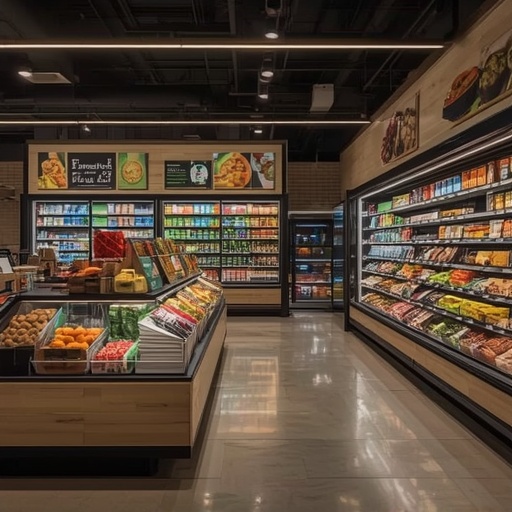
Across the culinary landscape, a subtle yet powerful transformation is unfolding—fast-food restaurants, once the unquestioned champions of convenience, are now contending with an unexpected class of competitors: grocery stores. These supermarkets, traditionally associated with weekly shopping and pantry staples, have evolved into formidable players in the quick-meal market. Through the introduction and continuous refinement of ready-to-eat selections—ranging from gourmet salads and artisanal sandwiches to chef-curated entrées—they are redefining what it means to dine on the go.
This evolution represents more than just a change in where consumers choose to purchase their meals; it reflects a broader cultural shift in how people conceptualize convenience. Today’s consumers, guided by increasingly health-conscious and time-sensitive lifestyles, demand not only speed but also freshness, transparency, and quality. Grocery chains have been quick to interpret this demand, investing heavily in on-site kitchens, advanced refrigeration systems, and attractive packaging that bridges the aesthetic and practical. The result is a dining experience that merges the immediacy of fast food with the perceived wholesomeness of freshly prepared ingredients.
Meanwhile, the boundary between shopping and dining has grown increasingly fluid. A customer who once entered the grocery store solely to purchase ingredients may now leave carrying a fully prepared meal—perhaps a portion of grilled salmon with roasted vegetables or a warm bowl of soup ready for immediate consumption. This convenience-driven model appeals to busy professionals, families seeking quick dinner solutions, and even health enthusiasts who wish to avoid the caloric pitfalls often associated with drive-thru menus. Every refrigerated display and freshly stocked food island symbolizes the supermarket’s new identity: not simply a place to shop, but an arena for culinary discovery.
For the fast-food industry, this renewed competition challenges long-standing assumptions. No longer can success rely solely on the promise of speed or low prices; instead, it must confront rising expectations surrounding quality, nutrition, and sustainability. Innovating in menu development, reimagining service formats, and enhancing brand transparency are fast becoming necessities rather than luxuries. The contest is not merely for customers’ dollars—it is for their trust and attention during moments of everyday decision-making.
Ultimately, this intersection between retail and dining underscores a redefined version of convenience in the twenty-first century. The grocery store’s ready-to-eat counter exemplifies efficiency fused with freshness, while fast-food chains respond with technological innovation, smarter ordering systems, and healthier choices. As the two sectors converge, consumers emerge as the true beneficiaries: empowered with broader options, higher quality standards, and a reinvigorated sense of what quick dining can entail in a modern, fast-paced world.
Sourse: https://www.businessinsider.com/fast-food-chains-face-growing-competition-from-grocery-stores-2026-7