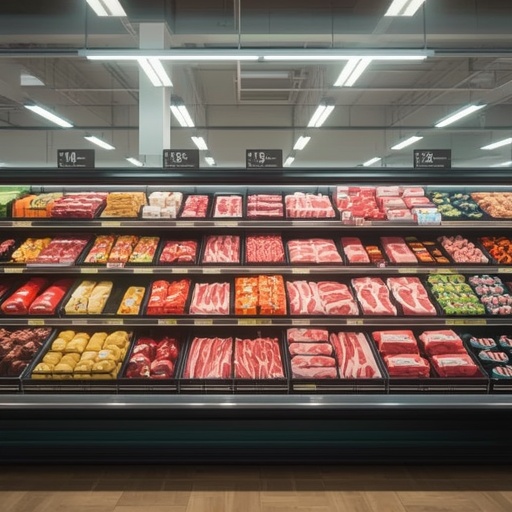
In a significant intersection of politics, consumer economics, and corporate strategy, one of the nation’s most prominent retailers has announced an upcoming reduction in ground beef prices of nearly fifteen percent. This move follows a direct request from the White House, an action that highlights how governmental influence and private-sector decision-making can converge to address pressing public concerns such as inflation and consumer affordability. The initiative symbolizes not merely a price change but rather a broader commentary on how policy dialogue can translate into tangible effects across the marketplace.
This planned discount comes at a time when American households continue to feel the pressure of persistent inflation, particularly in the grocery and essential goods sectors. Ground beef, a dietary staple for millions, often serves as an informal indicator of household purchasing power and food affordability. By lowering the cost of a product so central to everyday meals, the retailer positions itself not only as a market-responsive entity but also as a contributor to the broader economic stabilization efforts advocated by policymakers.
From a political perspective, the timing and nature of the price adjustment suggest more than coincidence. While the retailer’s executives may justify the decision as a routine business maneuver aligned with shifting consumer demand and supply chain efficiencies, the proximity to a White House appeal for price relief invites interpretation as a gesture of alignment between government narratives and corporate responsibility. The collaboration underscores a delicate balance: on one hand, the need for private enterprises to maintain profitability, and on the other, the expectation—implicitly or explicitly—that they participate in shaping public welfare outcomes.
Economically, a fifteen percent price reduction in ground beef represents more than a simple short-term discount. It has the potential to recalibrate consumer expectations and trigger competitive responses from other large supermarket chains. Price adjustments of this magnitude can influence not just household spending patterns but also wholesale procurement strategies and broader sectoral pricing trends. If replicated across similar retailers, this initiative might temporarily temper food inflation metrics, contributing to renewed consumer confidence and optimism in the market’s responsiveness.
This development also raises pertinent questions about precedent. To what extent should government initiatives directly or indirectly motivate corporate pricing behavior? While such coordination can yield immediate consumer benefits, it may also blur the traditional boundaries separating private business autonomy from executive influence. Nonetheless, from a pragmatic standpoint, many consumers are unlikely to question the philosophical implications when faced with noticeable savings at the checkout counter.
Ultimately, this episode exemplifies the complex interplay between economic policymaking and consumer experience. It demonstrates how public appeals, strategic corporate image management, and market dynamics can converge in visible, quantifiable outcomes. Whether interpreted as an indication of meaningful policy impact or merely an instance of strategic timing in a competitive marketplace, the retailer’s decision affirms one undeniable reality: economic perceptions and political initiatives remain inextricably intertwined in shaping the narrative of everyday American life.
Sourse: https://www.businessinsider.com/trump-walmart-lower-prices-white-house-request-2026-7