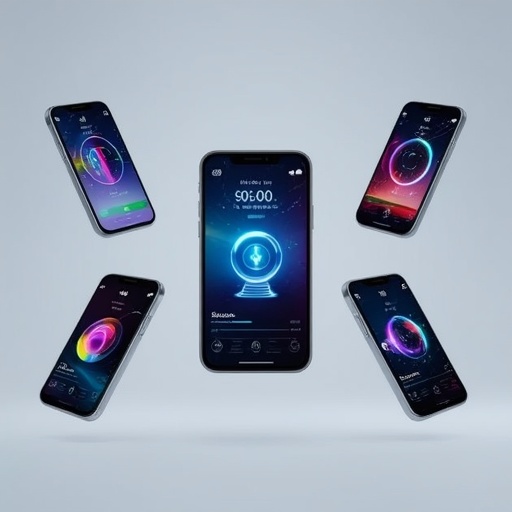
In an era defined by digital abundance and rapid technological replication, countless mobile applications now appear indistinguishable from one another. Every interface seems characterized by the same predictable layouts, identical button placements, and uniformly generated design choices that betray the unmistakable touch of artificial intelligence. This growing homogeneity erodes originality and makes it increasingly difficult for brands and creators to establish a memorable identity within competitive markets. Recognizing the subtle cues that mark an app as “AI-made” is the first step toward restoring that sense of individuality and purpose that truly successful digital products embody.
The first warning sign appears when your app’s design feels almost too polished—too perfect in its symmetry, color balance, and layout logic. While artificial intelligence excels at producing visually tidy and mathematically harmonious interfaces, this perfection often comes at the cost of human imperfection and creative spontaneity. Users may unconsciously sense the absence of emotional warmth or organic character that typically emerges from authentic, iterative design processes. To counter this, product teams should introduce nuanced asymmetry, bespoke iconography, or unexpected motion elements that communicate mindful intention rather than algorithmic precision.
Another clear indicator is uniformity in tone and voice across your app’s content. Many AI-driven writing tools generate copy that reads syntactically correct yet emotionally hollow. This can lead to interfaces filled with sterile welcome messages, repetitive prompts, and robotic microcopy that fail to resonate with real users. Human communication is inherently messy, layered with humor, empathy, and contextual sensitivity—qualities no algorithm can fully replicate. Revisiting your app’s textual identity through deliberate word choices, brand storytelling, and emotionally intelligent phrasing can reintroduce meaning and restore user trust.
The third sign manifests through generic, template-based UI patterns. When nearly every startup interface looks identical—complete with gradient backgrounds, rounded cards, and minimalist navigation bars—users begin to tune out. A truly distinctive app design arises from a brand’s narrative and emotional purpose, not from mimicking what the latest AI-based generator offers. Conducting a deep exploration of your core values, visual language, and intended audience experience allows designers to break free from these templates. Custom typography, unexpected spatial arrangements, and symbolic color systems can offer users an experience that feels handcrafted rather than procedurally generated.
Fixing these issues begins with rehumanizing your design process. Teams must reimagine artificial intelligence not as the final architect but as an assistant that enhances human creativity. Using AI tools to accelerate ideation, automate low-level tasks, and visualize multiple possibilities is invaluable—but the decisive creative direction must always emerge from designers who understand human emotion, culture, and behavior at a profound level. Through iterative experimentation and user feedback, your application can reclaim its originality and invite genuine engagement.
Ultimately, fostering individuality in your app is less about rejecting artificial intelligence and more about mastering it thoughtfully. By blending the efficiency of machine intelligence with the empathy of human design, creators can produce experiences that are technologically advanced yet deeply personal. In doing so, your brand will not only stand apart from the sea of lookalike applications but will also resonate enduringly with audiences who crave authenticity in an increasingly automated world.
Sourse: https://www.businessinsider.com/ai-coded-app-user-interface-experience-design-2026-7