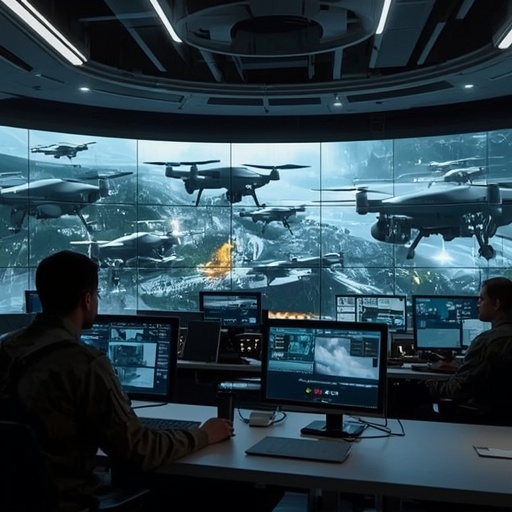
NATO is launching an ambitious initiative that represents a significant reorientation of its defense strategy and its approach to preparing for future conflicts. By the close of the coming year, the alliance intends to increase its training output for drone operators by a factor of five, signaling an intensified commitment to mastering unmanned aerial systems that are rapidly becoming central to global military operations. In parallel, NATO member states have pledged to invest in excess of forty billion dollars over the next five years specifically targeted toward developing, integrating, and deploying counter-drone technologies. This substantial financial allocation underscores not only the scale of the emerging aerial threat landscape but also the alliance’s recognition that dominance in the air increasingly depends on digital proficiency as much as on traditional firepower.
This accelerated training and investment plan embodies NATO’s broader vision of a technologically empowered defense infrastructure—one that prioritizes autonomy, adaptability, and rapid response. The new generation of operators will be trained not only in the physical piloting of drones but also in data analytics, artificial intelligence–driven decision-making, and cybersecurity protocols that underpin effective command-and-control systems. At the same time, the expansion of counter-drone efforts aims to safeguard allied forces and civilian populations from the escalating risks posed by hostile or unauthorized unmanned vehicles. Examples of these threats range from reconnaissance missions that compromise strategic information to airborne explosive devices capable of striking with unprecedented precision.
Beyond its immediate tactical implications, NATO’s initiative points to a paradigm shift in how military readiness is conceived. The battlefield of the future will merge physical and digital domains, requiring defense forces to operate seamlessly across cyber networks, automated flight corridors, and integrated communication grids. By scaling up its drone operator training and committing vast resources to mitigating aerial threats, the alliance is effectively building a foundation for strategic resilience—one capable of ensuring collective security in an era where the boundaries between technology, intelligence, and warfare grow ever more fluid. In this sense, NATO’s forward-looking project is not merely an upgrade in hardware and training capacity, but a comprehensive redefinition of what defense preparedness means in the twenty-first century.
Sourse: https://www.businessinsider.com/nato-increasing-trained-drone-operators-ready-ukraine-lessons-2026-7