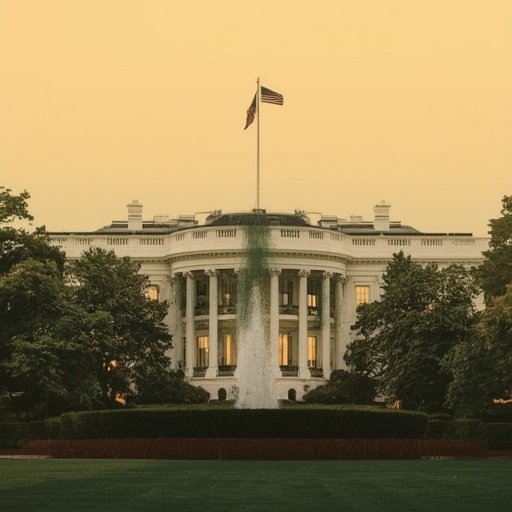
Throughout the history of the United States, the intellectual and political journeys of many presidents have been profoundly shaped by their experiences within the hallowed halls of the Ivy League. These venerable institutions—renowned worldwide for their rigorous academic standards, vibrant traditions, and influential alumni networks—have long been centers of excellence that cultivate not only scholarly achievement but also the qualities of leadership, critical thought, and civic responsibility. From Harvard’s storied corridors to Yale’s centuries-old courtyards, these universities have played a significant role in preparing future leaders for the immense responsibilities that accompany the presidency.
To trace the path from Ivy League lecture halls to the Oval Office is to uncover a narrative of ambition, intellect, and transformation. Presidents who once debated philosophy, history, and governance in classrooms later found themselves confronting real-world challenges that tested those very lessons. Their university years provided more than just academic grounding; they fostered perspectives on diplomacy, democracy, and justice that would guide national policy. For example, Harvard, with its emphasis on public service and global outlook, influenced numerous presidents to adopt forward-thinking policies. Similarly, Yale’s long tradition of nurturing public-minded leaders instilled in its graduates a commitment to balance intellectual rigor with moral integrity.
The intersection between higher education and leadership reveals how environments of academic inquiry can mold the character of those destined to shape a nation’s destiny. Ivy League universities often serve as microcosms of society—diverse, competitive, and intellectually stimulating—where future presidents learn to navigate differing viewpoints, cultivate persuasive communication, and develop strategies for achieving consensus. These skills, once exercised in campus debates or student government, later evolved into decisive tools within the complex realm of political leadership.
Yet beyond prestige and pedagogy lies a deeper implication: education at this level reinforces a lifelong habit of learning. The ability to approach problems analytically, to adapt to changing circumstances, and to draw upon a broad base of knowledge stems from the formative academic experiences these leaders underwent. Whether studying law, economics, or philosophy, each president’s intellectual background contributed in unique ways to shaping the policies they championed once in office.
Understanding which presidents attended Ivy League institutions allows us not merely to compile a list of notable alumni, but to appreciate how education intersects with power, vision, and national purpose. It underscores the idea that leadership is not born solely of charisma or circumstance but often forged through years of disciplined study, mentorship, and self-discovery. In reflecting upon their academic roots, we gain valuable insight into how America’s most influential figures were molded—how lessons learned within ivy-covered walls echoed in the decisions made from the White House.
In essence, the story of U.S. presidents and their Ivy League education is more than an anecdote of privilege or prestige; it is a testament to the enduring relationship between intellectual cultivation and effective governance. It invites us to consider how the pursuit of knowledge can elevate leadership and, ultimately, shape the course of a nation’s history.
Sourse: https://www.businessinsider.com/us-presidents-who-attended-ivy-league-schools