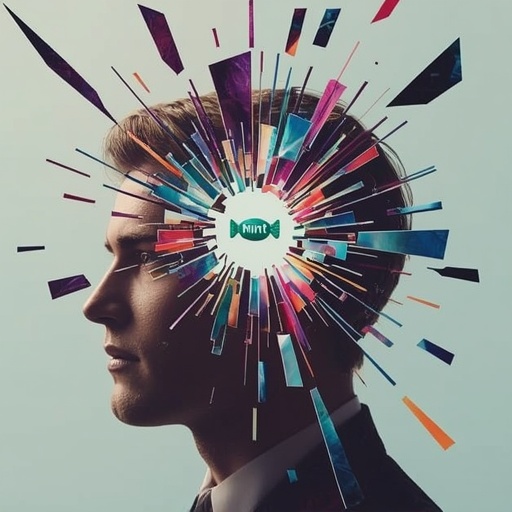
Meta’s recently introduced Muse Image AI represents a significant development in how artificial intelligence interacts with user-generated content on Instagram. This advanced tool empowers users to creatively remix and reinterpret existing public posts, offering innovative possibilities for visual expression and collaborative creativity. However, while this feature undeniably enhances creative accessibility and engagement within the platform, it simultaneously opens up an array of complex ethical and legal challenges—particularly concerning privacy, consent, and intellectual property rights.
When an AI system is capable of freely generating new materials by reconfiguring elements from publicly available posts, it effectively redefines the boundary between personal ownership and public accessibility. Users who share their photographs, artwork, or branded visuals on Instagram may unknowingly expose themselves to reinterpretations, reproductions, or derivative uses that extend beyond their initial intentions or comfort levels. This emerging dynamic underscores the urgent necessity for digital literacy and reinforced content protection strategies.
To safeguard your creative assets, consider reinforcing privacy settings and monitoring where and how your visuals appear within the platform. Employing features such as restricted sharing, watermarking, or explicit licensing notices can serve as preemptive measures to discourage unauthorized AI utilization. Additionally, staying informed about Meta’s evolving terms of service and intellectual property guidelines will help ensure that your digital rights remain intact even within algorithmically enhanced environments.
For brands, influencers, and visual artists, the introduction of Muse Image AI offers both an opportunity and a warning. On one hand, it has the potential to revolutionize audience engagement by enabling visually dynamic reinterpretations of shared media; on the other, it necessitates a proactive approach to reputation management and content governance. Understanding the nuances of consent—both human and machine-driven—will define the next phase of responsible digital presence.
Ultimately, maintaining control over your online imagery in an AI-driven landscape demands a blend of technical awareness, vigilance, and policy familiarity. While innovation often walks hand in hand with risk, informed creators can continue to leverage transformative technology like Muse Image AI without sacrificing ownership, privacy, or authenticity. By recognizing the implications early and establishing clear ethical guidelines for use, individuals and organizations alike can strike a balance between creative flexibility and the protection of their visual identity in an evolving digital ecosystem.
Sourse: https://www.businessinsider.com/meta-new-muse-image-ai-model-default-instagram-sharing-rules-2026-7