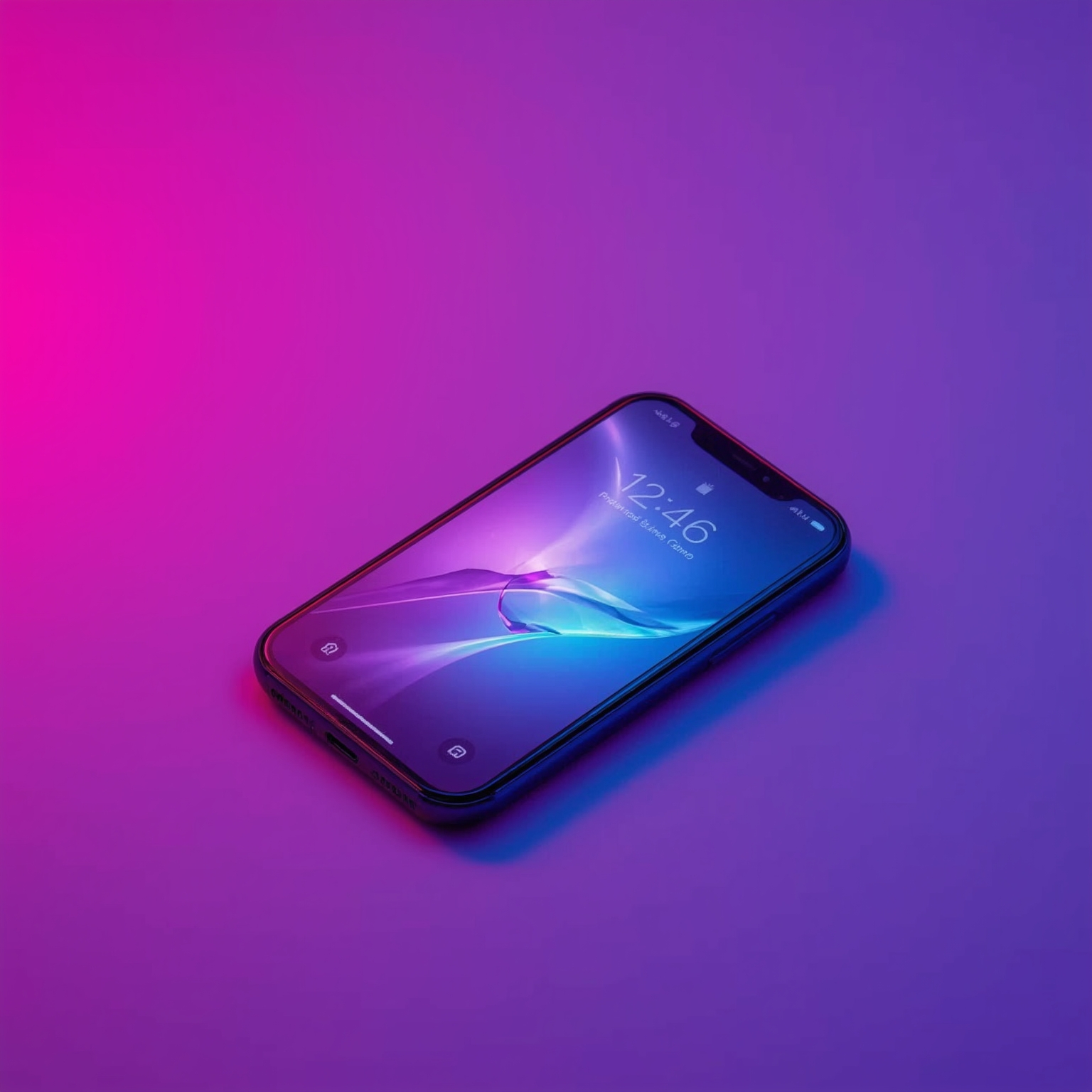
The HMD Touch 4G represents an intriguing and deliberate experiment in mobile design philosophy, seeking to occupy the delicate middle ground between the technologically rich world of modern smartphones and the straightforward utility of traditional feature phones. Currently released exclusively for the Indian market—and with little expectation of ever crossing into the United States—this compact device aspires to bridge two eras of communication technology. It offers familiar smartphone conveniences such as a responsive touchscreen interface and the capacity for video calls, yet it retains the modest dimensions, accessible pricing, and simplicity that have long characterized feature phones. In essence, the Touch 4G attempts to merge nostalgia and practicality into a single instrument designed for people who desire connectivity without complication.
Unveiled only yesterday, the device is being positioned as a budget-friendly alternative at a price point of merely ₹4,999, roughly equivalent to $55. At first glance, the Touch 4G presents itself with the outward appearance of a miniature smartphone—complete with modern design cues—but its proportions feel as though the concept of a full-sized smartphone has been gently compressed. With a screen measuring just 3.2 inches diagonally, the display is significantly smaller than what contemporary users are accustomed to, and the total weight reaches only 100 grams. Such specifications make it exceptionally portable, practically disappearing into a pocket or resting weightlessly in the hand. For those yearning for a return to the age of highly compact phones, it might seem like the long-awaited savior of small form factor devices. However, beneath this initial appeal lies a range of notable compromises and limitations that prevent it from serving as a true replacement for a full-fledged smartphone.
Most prominently, the Touch 4G diverges from the Android ecosystem entirely. Instead of running the familiar Google-backed operating system, it is powered by a proprietary platform known as RTOS Touch. The choice of a custom operating system means that conventional Android applications simply cannot be installed or accessed, a trade-off that places this device in a distinctly different category from mainstream smartphones. To compensate, HMD includes access to something called the Cloud Phone Service, which functions as a streamlined hub where users can interact with lightweight browser-based applications developed by HMD itself. These limited apps provide only the core utilities necessary for basic communication and browsing activities rather than the vast, customizable experiences of a typical app store.
Despite its constraints, the device does not completely abandon the spirit of smartphone communication. Users can still send group messages and place video calls, though such capabilities are consolidated within a dedicated application named Express Chat. Interestingly, this app is also available to download on both Android and iOS platforms, but it introduces a social barrier: in order to fully benefit from these features, one must convince friends or family members with other smartphones to install the same application. This design choice subtly reinforces the device’s confined ecosystem, illustrating how the Touch 4G encourages connections primarily within its own networked circle.
On the hardware front, HMD has made sure to incorporate a few reassuring touches that enhance usability. A traditional 3.5mm headphone jack is present—a feature often absent from premium phones today but still appreciated by music lovers and users of wired headsets. Powering and charging the unit is more modern, handled through a USB-C port, which ensures faster and more universal connectivity. Storage capacity, however, remains minimal. With only 128MB of internal memory available, users will almost certainly find themselves purchasing a microSD card to expand storage, particularly if they plan to retain photos, media, or even minimal offline content.
In summary, the HMD Touch 4G stands as an unusual yet deliberate fusion of past and present—an experiment in redefining what it means to be ‘smart enough.’ It seeks to deliver essential modern communication abilities while keeping the experience uncluttered, affordable, and highly compact. Though it omits the sophistication of a smartphone running Android or iOS, its practicality, portability, and nostalgic simplicity might appeal to users in emerging markets or to those who yearn for a break from the complexity of today’s hyper-connected devices.
Sourse: https://www.theverge.com/news/795993/hmds-touch-4g-is-a-dumb-smart-phone