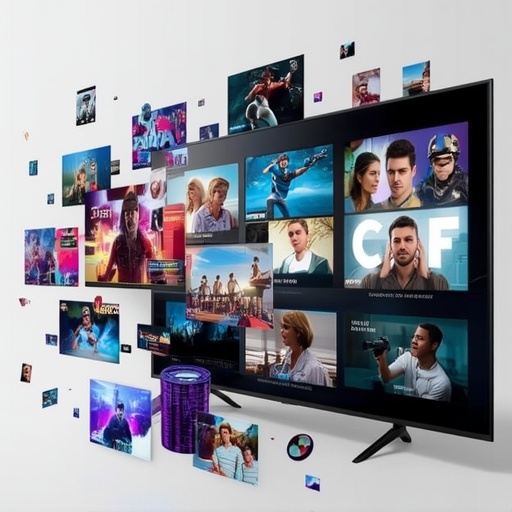
Netflix, once synonymous solely with on-demand films and binge-worthy series, is undergoing a remarkable metamorphosis that extends far beyond traditional streaming boundaries. The company has strategically shifted from being a purely cinematic and television-based entertainment provider into a multifaceted digital ecosystem embracing a wide array of emerging mediums. In addition to its expansive catalog of movies and original shows, Netflix is now venturing decisively into interactive gaming experiences, experimenting with the broadcasting of live sporting events, hosting podcasts, and even producing short-form video content reminiscent of YouTube’s dynamic, creator-driven model.
This sweeping diversification raises a provocative question about the nature of Netflix’s transformation: does such ambitious expansion represent visionary innovation that secures the company’s dominance in an ever-evolving media landscape, or does it signal a potential identity crisis, in which the brand risks diluting the distinctive essence that once defined it? Each new initiative—whether it’s an immersive game tied to a popular franchise, the integration of real-time sports coverage, or the inclusion of user-oriented digital shorts—illustrates Netflix’s pursuit of relevance in a hypercompetitive environment increasingly shaped by cross-platform media consumption and shrinking viewer attention spans.
Supporters of this evolution view it as a forward-thinking response to shifting audience behaviors and technological convergence. They argue that Netflix is crafting a comprehensive entertainment universe, capable of satisfying both passive and interactive users—bridging storytelling, sports fandom, and social engagement under one versatile banner. Critics, however, contend that such rapid diversification might blur Netflix’s core mission, leading to a diffusion of brand identity and potential overextension. They caution that attempting to emulate or compete with platforms like YouTube, Spotify, or major sports broadcasters might fragment Netflix’s focus, creating inconsistencies in its content strategy.
Ultimately, the platform’s current trajectory encapsulates the broader narrative of the digital entertainment age—an industry defined by constant reinvention and experimentation. Whether Netflix’s ongoing metamorphosis emerges as a masterstroke of adaptive innovation or as an overreaching experiment in brand reinvention will depend on its ability to balance novelty with coherence. What remains certain is that Netflix is no longer content to be just a streaming service; it aspires to redefine what modern entertainment consumption looks like in a world where boundaries between mediums, technologies, and audiences continue to fade.
Sourse: https://www.theverge.com/podcast/964082/netflix-youtube-smart-glasses-vergecast