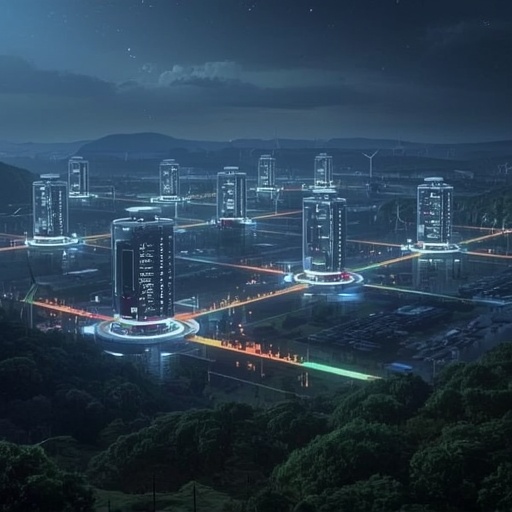
The ongoing evolution of artificial intelligence has ushered in an era of astonishing technological potential, one defined by a boundless hunger for computational energy. Beneath the sleek promises of automation and machine learning lies a quieter, far more complex struggle: how to sustain the immense infrastructure required to power the data centers that make this intelligence possible. These facilities, vast and humming with relentless activity, are becoming the new heart of the digital age—yet they demand an extraordinary amount of electricity, water, and physical space to function.
Communities across the world are beginning to feel the impact of this expansion. Municipal leaders, environmental advocates, and policymakers find themselves navigating an intricate web of competing priorities—economic development on one side and ecological preservation on the other. The same innovation that drives progress also strains energy grids, challenges zoning laws, and raises questions about who ultimately bears the environmental cost of technological progress. For instance, rural towns once defined by agriculture are now contending with massive server facilities that consume power at a scale once associated only with industrial manufacturing. Energy providers are being forced to adapt rapidly, rethinking distribution networks and accelerating transitions toward cleaner, renewable sources in order to keep up with escalating demand.
This new technological frontier has not gone uncontested. Environmental organizations warn that without careful planning, the proliferation of AI data centers could deepen our dependence on fossil fuels, undermine sustainability efforts, and exacerbate resource scarcity. In response, innovators are advocating for intelligent infrastructure—systems designed to recycle waste heat, optimize energy usage through advanced algorithms, and draw power from wind and solar arrays built to operate in tandem with next-generation computing. The result is a delicate balancing act: nurturing innovation while ensuring that progress does not erode the ecosystems upon which all life depends.
At its core, this conversation transcends technology. It touches the very essence of our collective responsibility as stewards of both progress and the planet. The question is no longer whether AI will shape the future—it unquestionably will—but rather how that future will be sustained. Will the digital revolution propel humanity toward a greener, more efficient world, or will it accelerate an energy crisis hidden behind shimmering screens and blinking lights?
Policymakers are beginning to respond with measures that integrate environmental accountability into tech growth, from emission caps to incentives for renewable energy adoption. Yet technological advancement rarely proceeds at the measured pace of regulation. For that reason, collaboration between industries, governments, and research institutions has never been more critical. Together they must architect a roadmap where computational brilliance and ecological consciousness are not opposing forces but partners in long-term human advancement.
The struggle for sustainable AI infrastructure is therefore more than an environmental issue—it is a social, ethical, and economic imperative. The debate surrounding how we build, power, and govern our data-driven future is only just beginning, but it carries implications that will echo far beyond the server halls of today. What emerges from these discussions will determine not only the efficiency of our machines but also the integrity of our planet’s future. The battle for a balanced and conscientious digital frontier has merely entered its opening chapter, promising a future both fraught with challenge and rich with possibility.
Sourse: https://www.theverge.com/column/963346/ai-data-centers-fight