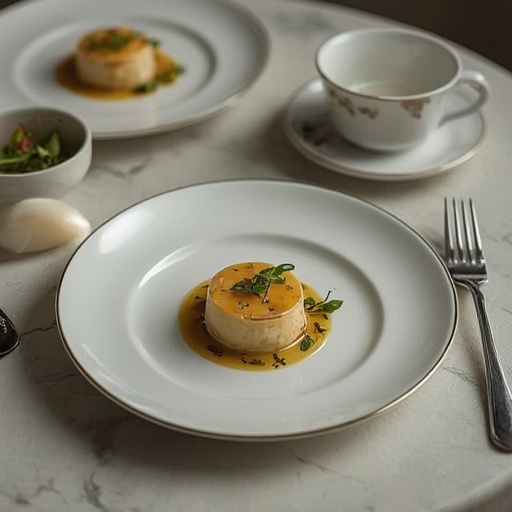
An extraordinary transformation is taking place within the world of haute cuisine, challenging long‑held assumptions about where the finest delicacies originate. In an unexpected yet compelling twist, China has risen to surpass France—the country traditionally synonymous with the art of foie gras—as the foremost global producer of this luxurious delicacy. According to recent data, Chinese producers now generate an astonishing 11,000 tons of foie gras each year, achieving this remarkable feat at a cost that hovers around half the price of the French counterpart. This development represents far more than a simple numerical shift in production figures; it signifies a profound reorientation within the global gourmet landscape, one that underscores how innovation, efficiency, and evolving consumer preferences can together reshape cultural hierarchies in food.
The implications of this shift stretch well beyond economic competition. For centuries, France has been celebrated as the guardian of gastronomic excellence, a nation where tradition and refinement define the culinary arts. Foie gras—produced through meticulous craftsmanship and regarded as a symbol of luxury—has long stood at the heart of this tradition. Now, China’s entry into the upper echelons of production not only alters the competitive balance but also illustrates a new phase in global culinary evolution, where diverse nations begin to master and reinterpret previously Eurocentric cuisines. The emergence of large‑scale, cost‑effective production in China suggests a broader democratization of sophisticated tastes once confined to elite dining rooms in Paris or Lyon.
At the same time, this transformation reflects the dynamic interplay between local adaptation and global aspiration. Chinese producers have blended modern agricultural techniques with a sensitivity to established European standards, enabling the creation of foie gras that meets international expectations while achieving considerably lower costs. This synthesis of innovation and tradition demonstrates that cultural authenticity in cuisine need not be diminished by modernization; rather, it can be reimagined and enriched. The result is a culinary power shift that is rewriting the very narrative of gourmet consumption, inviting chefs, food connoisseurs, and ordinary diners alike to reconsider what defines excellence, origin, and value in contemporary gastronomy.
Ultimately, China’s ascendance in foie gras production marks a historic turning point. It serves as both a symbol of the globalization of taste and a reminder of how rapidly evolving economies can influence even the rarefied world of fine dining. As the map of culinary prestige expands eastward, one thing becomes clear: the story of luxury food is no longer confined to its traditional European heartlands but now encompasses a broader, more interconnected portrait of global creativity, ambition, and refined appetite. #FoodTrends #CulinaryHistory #GlobalGastronomy #Innovation
Sourse: https://www.wsj.com/world/asia/forget-france-china-is-the-new-foie-gras-champion-a1d44fad?mod=pls_whats_news_us_business_f