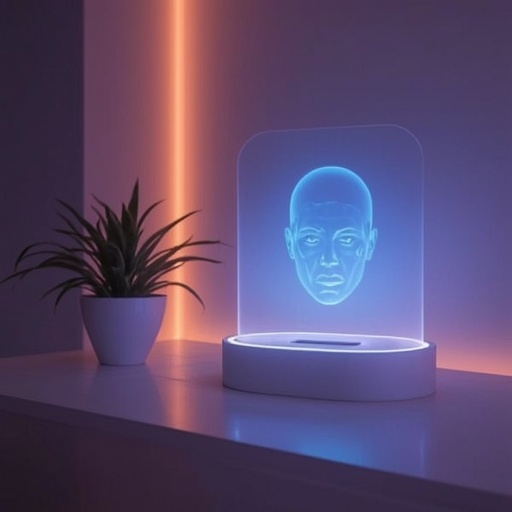
OpenAI appears to be preparing for a significant and transformative step beyond the realm of pure software by venturing into hardware development — specifically, with a ChatGPT-powered smart speaker. According to a recent Bloomberg report, this cutting-edge device will reportedly forgo the conventional display screen seen on other home assistants. Instead, it is said to rely on a sophisticated combination of sensors and an integrated camera system designed to perceive, interpret, and respond more organically to the surrounding environment.
This shift from a text‑ and screen‑based interface toward a voice‑first and sensory‑aware medium could mark a pivotal evolution in how humans engage with artificial intelligence on a daily basis. A screenless, voice‑driven design suggests OpenAI’s intention to promote more natural, conversation‑centered experiences—ones where users interact through speech, intonation, and contextual cues rather than tapping and typing. The inclusion of an intelligent camera and environmental sensors might enable the device to detect movement, adjust tone or response accordingly, and better understand subtle nonverbal factors that enrich communication.
If these reports are accurate, the initiative represents a major milestone for OpenAI, transitioning the company from a software pioneer into a creator of smart connected devices. Such a move could open new possibilities for personal and professional environments alike. Imagine an AI companion capable of managing tasks, assisting in creative thinking, interpreting emotional cues, or facilitating communication in a way that feels more personal and adaptive—an invisible assistant woven seamlessly into daily life.
This rumored product would also reflect a growing industry trend toward what some experts call “ambient AI.” Rather than requiring our constant visual attention, ambient AI systems function quietly in the background, attentive and responsive without being intrusive. The emphasis on auditory and spatial interaction could redefine expectations for what it means to coexist with intelligent technology in the home or workplace. By reducing visual clutter and increasing contextual intelligence, OpenAI’s potential smart speaker could make digital companionship feel remarkably intuitive and almost human.
In essence, this anticipated hardware experiment is not merely about building a better gadget—it’s about ushering in a new phase of human‑AI relationships, one that prioritizes empathy, awareness, and conversational fluidity. Whether this innovation will revolutionize the smart‑home market remains to be seen, but it undeniably signals a bold new chapter for OpenAI’s vision of making artificial intelligence accessible, dynamic, and deeply integrated into the human experience.
Sourse: https://www.theverge.com/ai-artificial-intelligence/965670/openai-chatgpt-ai-smart-speaker-hardware-device