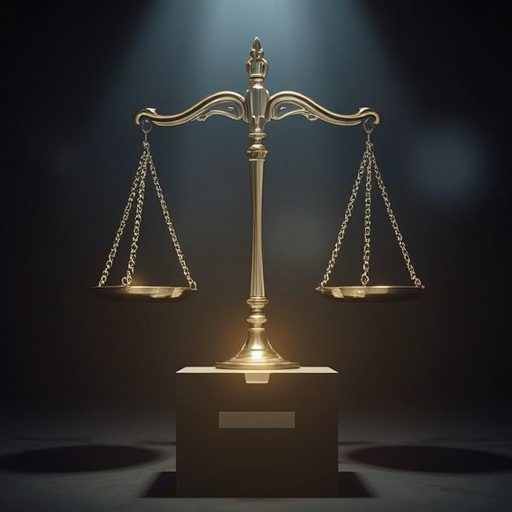
In a world increasingly shaped by technology, wealth, and political power, recent allegations of voter bribery have ignited a renewed and fervent debate about the boundaries of ethics, accountability, and justice. At the center of this storm lies a profound moral question: should financial influence ever provide a shield from the consequences of unethical behavior? The tension between prosperity and fairness has always existed, yet it feels especially urgent in this moment, as powerful figures appear to manipulate systems designed to protect equality and democratic integrity.
This emerging controversy highlights the fragility of public trust. When individuals or corporations with immense resources appear to sway democratic outcomes through questionable practices, society is forced to confront uncomfortable truths about how far the influence of wealth reaches into the chambers of power. Justice, ideally, should remain blind—impartial, measured, and immune to the seductions of fortune—but reality often reveals the opposite. We see courtrooms, legislatures, and public opinion bend subtly under financial gravity, eroding faith in the very ideals that sustain democratic governance.
Ethical leadership therefore becomes more than a slogan; it becomes a moral imperative. True leaders—whether in politics, industry, or technology—must recognize that their privilege comes with an amplified responsibility. Their decisions shape not just their personal legacies, but the character of the societies they influence. When leaders act with transparency and integrity, they reaffirm the principle that justice serves all equally, regardless of wealth or status.
The current debate reaches beyond one incident; it forces us to reckon with a broader cultural dilemma. In a digital era where visibility is constant and perception frequently rivals truth, ethical misconduct cannot remain hidden for long. Yet the question persists: will exposure lead to accountability, or merely to fleeting outrage? We must demand systems that value fairness over influence—where the machinery of democracy is not for sale, and where no amount of wealth can purchase moral immunity.
Ultimately, the controversy serves as a mirror reflecting society’s collective conscience. It challenges every citizen, policymaker, and executive to ask: what kind of democracy do we want to preserve? One that upholds equality before the law, or one that bends to the will of fortune’s favored few? The answer will determine whether our institutions remain resilient—or whether they quietly surrender to the weight of unchecked power. In this critical moment, choosing justice over privilege is not merely an ethical stance—it is a necessity for the survival of a truly fair and accountable democracy.
Sourse: https://gizmodo.com/elon-musk-could-still-face-criminal-charges-for-trying-to-bribe-voters-in-wisconsin-2000785626