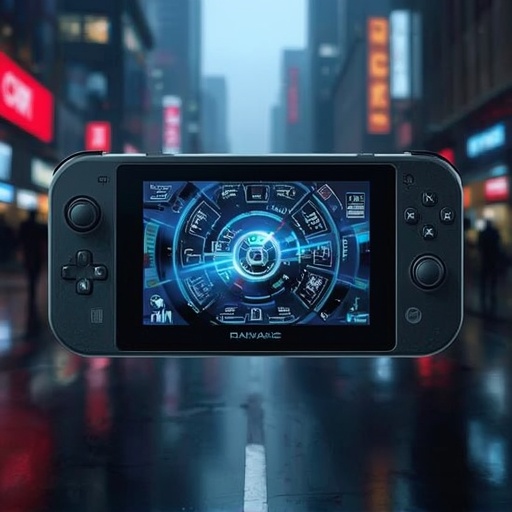
Sony’s potential design direction for the PlayStation 6, if indeed it embraces the concept of a handheld form factor, could mark one of the most significant paradigm shifts in console gaming history. The prospect of transforming a traditionally stationary entertainment system into a truly mobile powerhouse introduces a range of intriguing implications for both consumers and the broader gaming industry. Not only would this innovation blur the long-standing boundaries between home consoles and portable devices, but it could also redefine the way developers conceptualize and deliver interactive experiences.
For decades, the PlayStation brand has largely represented the pinnacle of living-room gaming — robust, high-performance machines dependent on televisions, physical media, and stationary setups. However, as digital distribution models and cloud-based gaming continue to evolve, the logic behind fixed-platform entertainment has begun to erode. If the PS6 genuinely embraces portability, it may mirror larger technological trends seen across fields such as computing and media consumption, where users now expect seamless, on-the-go access that does not compromise performance or visual fidelity.
At the same time, economic conditions cannot be ignored. Rising production costs, supply chain volatility, and the increasing expense of high-end hardware components have placed undeniable pressure on console manufacturers. In attempting to sustain consumer appeal in a premium market, a hybrid handheld-console model could serve both as a strategic pivot and as a response to changing expectations. Players today value flexibility — the ability to start an immersive 4K game at home and continue it effortlessly while commuting or traveling. A handheld PS6, supported by cutting-edge cloud connectivity and solid-state memory architecture, could deliver exactly that level of continuity.
From a business standpoint, such a transformation would also align with broader shifts in how gaming ecosystems are monetized. Subscriptions, service-based content, and cross-platform compatibility are steadily replacing the traditional notion of hardware-based exclusivity. Sony, long known for emphasizing high-fidelity hardware, appears increasingly aware that the future lies in integrating software ecosystems that transcend any single physical medium. Thus, a handheld PS6 might not just represent a design experiment, but rather a calculated evolution of the PlayStation identity — one that strengthens its foothold in both traditional and mobile markets.
Ultimately, the rumored handheld orientation of the PS6 is not merely about ergonomics or aesthetics; it is emblematic of gaming’s ongoing redefinition. A portable yet powerful system could serve as both console and personal entertainment hub, capable of adapting to a player’s environment without sacrificing the sophistication for which PlayStation is known. In a sense, it symbolizes the natural fusion of convenience and technological ambition — a future where the boundaries between living-room comfort and on-the-move dynamism disappear entirely. If Sony succeeds in actualizing that vision, the PS6 will not only continue the brand’s legacy of innovation but may also inaugurate a new era for interactive entertainment itself.
Sourse: https://www.theverge.com/games/963132/sony-playstation-future-handheld-pc-business-meeting-end-of-discs