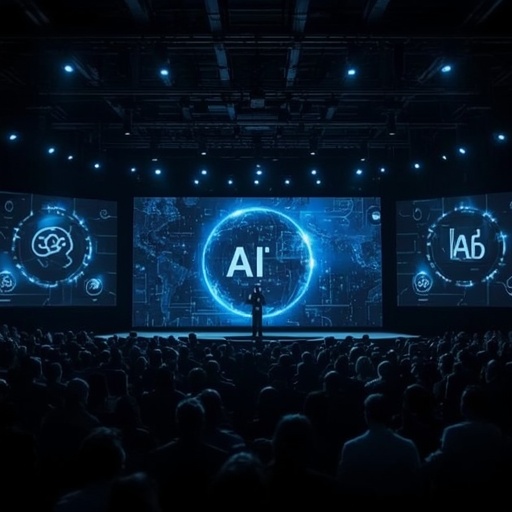
At the World AI Conference, an influential global gathering dedicated to exploring the technological, ethical, and strategic dimensions of artificial intelligence, China presented a decisive statement of its long-term aspirations in the AI era. In a highly anticipated address, President Xi Jinping made his first appearance at this prestigious event, using the platform to highlight China’s intent to shape the evolving global discourse surrounding intelligent technologies. His speech underscored that the next decade will be characterized not merely by rapid technological advancement, but by the intertwined dynamics of innovation, governance, and international collaboration—three pillars that will collectively determine the trajectory of artificial intelligence worldwide.
Xi’s remarks conveyed a profound vision: that responsible innovation must coexist with thoughtful regulation, and that progress in AI cannot be pursued in isolation by any single nation. Instead, it requires a shared global effort to ensure that emerging technologies serve humanity as a whole. Emphasizing both ambition and accountability, China’s stance reflects a desire to position itself not only as a leading engine of AI-driven development, but also as a key participant in shaping the ethical frameworks and cooperative mechanisms that sustain technological growth. This balancing act—between competitiveness and responsibility—illustrates the delicate equilibrium that major nations must maintain as AI continues to redefine economic productivity, social governance, and digital sovereignty.
The World AI Conference thus became more than a showcase of innovation; it served as a turning point for international dialogue. By elevating the themes of governance, transparency, and collaboration, the event spotlighted how crucial it is for global actors to approach AI not as a race for dominance, but as a shared enterprise in which success depends upon trust, mutual learning, and collective responsibility. As nations debate policies on data governance, algorithmic fairness, and cross-border technological exchange, China’s message—delivered through Xi’s carefully articulated speech—sets the tone for how partnerships and competition may coexist harmoniously within a complex global ecosystem.
Ultimately, this moment stands as a milestone in defining both China’s trajectory and the world’s collective direction in AI development. It reaffirms that the future of artificial intelligence will be shaped not only by who leads in technical innovation, but also by how nations choose to engage with each other—through cooperation, dialogue, and shared ethical commitment. The conversation that began on this stage will likely influence the global AI governance framework for years to come, marking a decisive step toward a more interconnected and responsibly managed technological future.
Sourse: https://www.bloomberg.com/news/live-blog/2026-07-17/xi-jinping-ai-speech-china-waic-conference