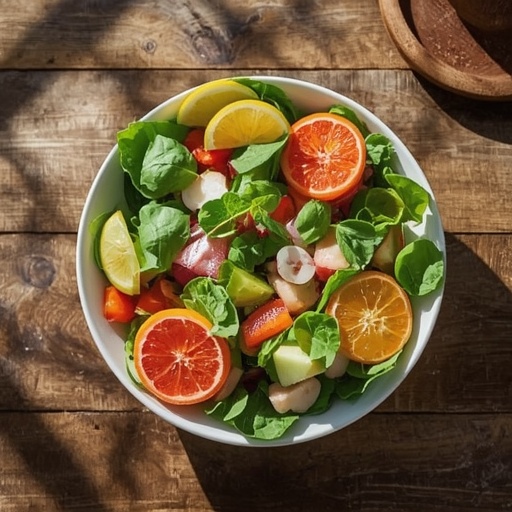
In the aftermath of the recent cyclosporiasis outbreak traced to iceberg lettuce imported from Mexico, consumers and public health experts alike have become increasingly vigilant about the safety of fresh produce—particularly leafy greens that are often consumed raw and vulnerable to contamination. After weeks of investigation and widespread public concern, food safety authorities and researchers are now beginning to evaluate with precision when these nutrient-rich greens can safely return to household tables and restaurant menus.
The cautionary pause in consumption has underscored the complex journey that vegetables like lettuce, spinach, and other leafy varieties take from field to fork. Experts emphasize that outbreaks of this nature serve as vital reminders of the intricate interplay between agricultural practices, sanitation oversight, international supply chains, and environmental conditions. Each of these factors contributes to either mitigating or amplifying the risks of pathogen exposure.
According to foodborne illness specialists, the process of restoration and rebuilding consumer confidence depends not only on identifying and isolating the contaminated source, but also on implementing enhanced monitoring, rigorous sanitation protocols, and cross-border inspections. These steps ensure that shipments entering the market have undergone appropriate safety testing and meet updated regulatory measures. For the average consumer, this translates into a gradual reintroduction of leafy vegetables, beginning with verified sources and locally grown produce where possible.
Meanwhile, nutrition experts caution against abandoning greens entirely, noting their irreplaceable role in promoting heart health, digestive function, and immunity through essential vitamins, minerals, and antioxidants. They recommend washing produce carefully, using separate cutting boards for raw items, and staying informed through updates issued by the Centers for Disease Control and Prevention (CDC) or other public health departments.
As the agricultural sector adapts to the lessons learned from this event, both farmers and distributors are working to strengthen traceability systems, ensuring that in future outbreaks the origin of contamination can be quickly pinpointed and resolved. While the concern remains valid, early indications suggest that with these precautions in place, consumers may soon be able to savor their favorite crisp, refreshing lettuce and leafy salads with renewed assurance of safety. The path forward is one of cautious optimism—a shared commitment by experts, producers, and eaters alike to protect public health while embracing the simple, seasonal joys of fresh, wholesome food.
Sourse: https://www.businessinsider.com/when-salad-greens-safe-to-eat-cyclospora-experts-2026-7