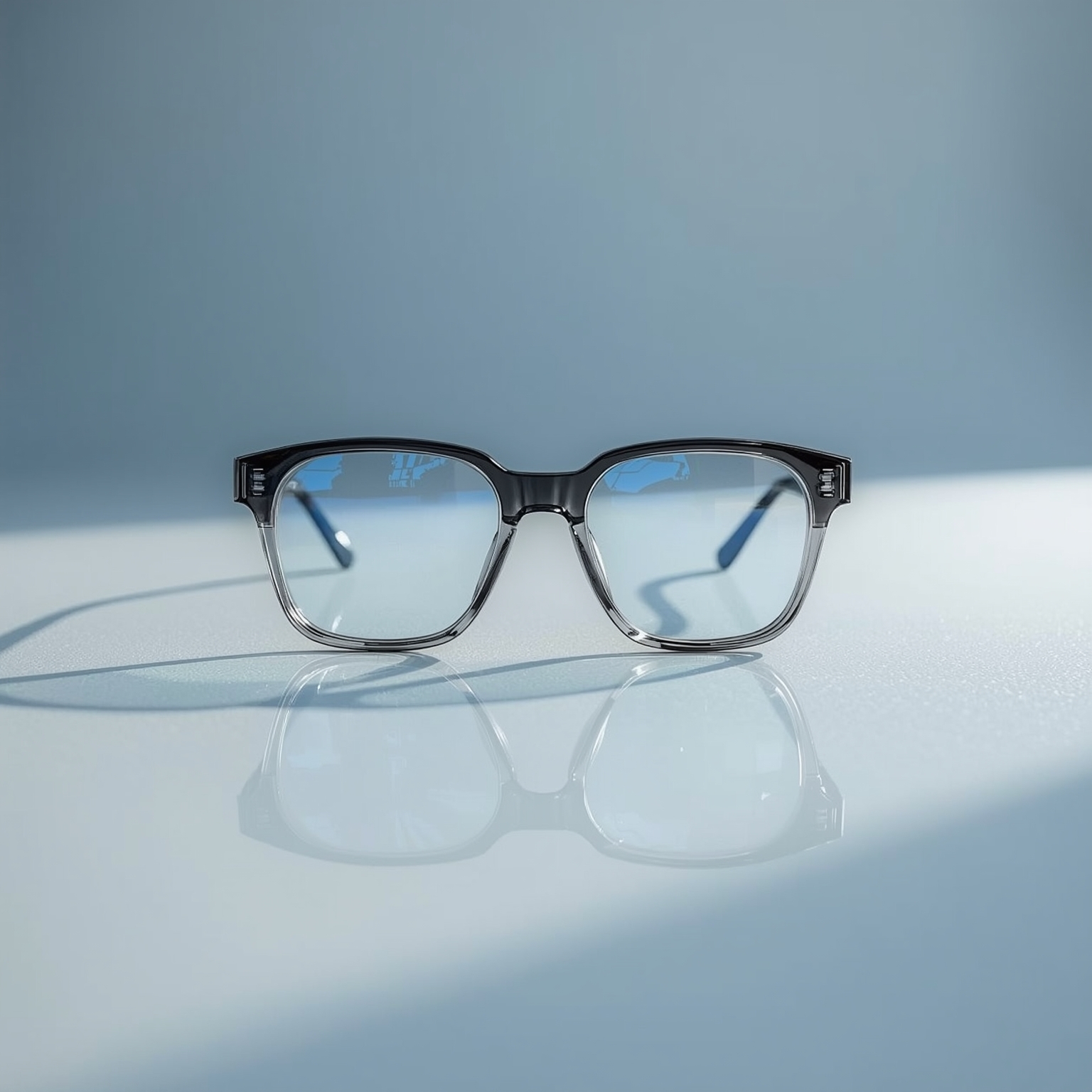
iFixit has undertaken an intricate disassembly of Meta’s Ray-Ban Display glasses, unveiling a surprising conclusion: the defining innovation of this device does not primarily lie in its miniature electronics or integrated display systems, but rather in its exceptional glass construction. The company’s analysis highlights that the lenses are far more than simple transparent surfaces—they are precision-engineered optical components built around a reflective geometric waveguide architecture. This system operates by carefully directing light through the glass and partially reflecting it at calculated angles using embedded semi-reflective mirrors. The result is that select portions of the projected image are channeled precisely toward the wearer’s eyes, ensuring visual clarity for the user while simultaneously preventing outside observers from glimpsing the internal display. In other words, the wearer perceives a vivid visual overlay, but to others, the glasses appear perfectly ordinary.
This refined lens technology functions in tandem with a micro-projection unit discreetly housed within the right arm of the frame. The projector employs a liquid crystal on silicon, or LCoS, chip that manipulates light emitted from three distinct LEDs—typically red, green, and blue sources—to form an intricate 600-by-600-pixel image grid. By routing this light through the waveguide system, the lenses reproduce digital imagery with impressive precision and balance, minimizing distortion and light leakage. iFixit emphasizes that this geometric waveguide design represents a deliberate departure from older diffractive methodologies traditionally used in augmented reality eyewear. Whereas diffractive systems bend and separate incoming light into its component wavelengths—a process that often produces distracting rainbow-like patterns or the notable phenomenon of “eye glow,” where ambient light reflects conspicuously toward onlookers—the new reflective approach maintains optical fidelity while concealing these unwanted effects.
However, such technical sophistication carries a considerable trade-off. The specialized glass used in the Ray-Ban Display model is costly and complex to manufacture, requiring precise alignment of multiple optical layers and exact tolerances during production. According to iFixit’s assessment, this manufacturing challenge may contribute to a high unit cost that exceeds the glasses’ retail price, suggesting that Meta could be deliberately absorbing financial losses in pursuit of long-term dominance in the smart eyewear market. This type of investment strategy is not uncommon in emerging technology sectors, where early iterations prioritize performance and user experience over profitability.
Performing the teardown itself proved no simple matter. iFixit’s engineers had to physically separate the arms and frame of the eyewear, effectively slicing them in half to expose the tightly integrated internal components. The teardown process revealed that Meta did not design the glasses with modularity or easy reassembly in mind—there are no clips, latches, or accessible openings to facilitate straightforward maintenance. Such a level of structural sealing complicates or outright discourages repairs, particularly for critical components like the battery. As iFixit teardown specialist Shahram Mokhtari emphasized in the accompanying video, any attempt to service these glasses would require both highly specialized knowledge and precision instrumentation typically unavailable to consumers. Mokhtari concluded that it is “abundantly clear” that this first generation of Meta’s smart glasses is effectively unrepairable, highlighting the current tension between sleek, compact hardware design and the principles of sustainability and repairability in consumer electronics.
Sourse: https://www.theverge.com/news/797442/ifixit-meta-ray-ban-display-smartglasses-teardown-glass