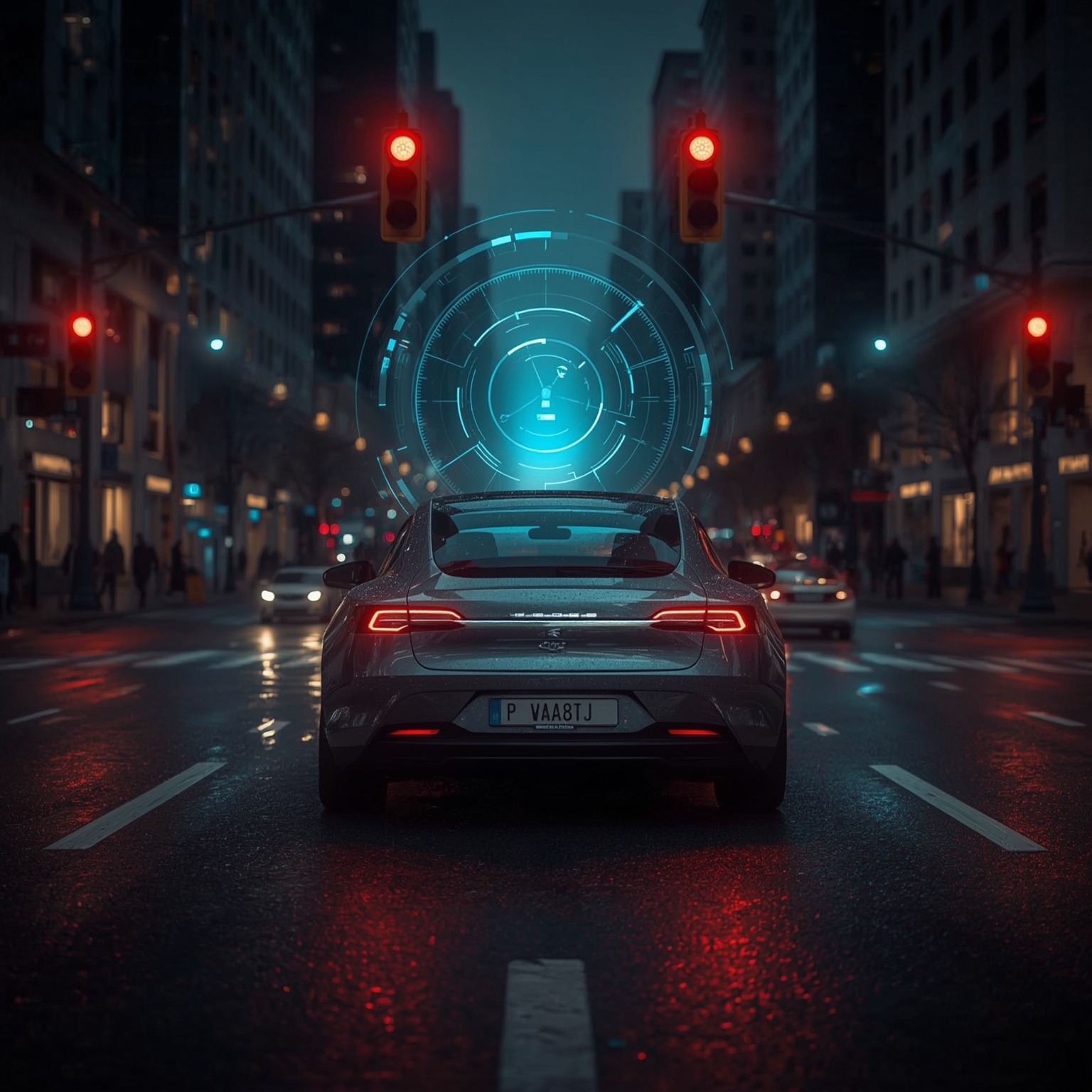
The National Highway Traffic Safety Administration (NHTSA) has initiated a sweeping investigation encompassing more than 2.8 million Tesla vehicles that are equipped with the company’s Full Self-Driving (FSD) system—an advanced driver-assistance feature that promises semi-autonomous navigation but has faced growing scrutiny over its real-world performance. According to prior reports from Reuters, the purpose of this investigation is to conduct an in-depth examination of traffic safety violations allegedly committed when FSD is engaged. These violations include serious infractions such as Tesla vehicles proceeding through red traffic signals, disregarding stop instructions, and in some instances, traveling the wrong way on roadways—situations that present significant risks both to the Tesla occupants and to other drivers sharing the road.
Within NHTSA, the Office of Defects Investigation (ODI) is spearheading the effort, focusing on 58 documented safety incidents that reportedly involve Tesla vehicles operating under the FSD program. Among these recorded events are 14 vehicle crashes and 23 instances of physical injury. Preliminary accounts suggest a concerning pattern of malfunctions. In particular, some Tesla vehicles either failed to come to a complete stop at red lights or failed to remain stationary once stopped, even with FSD fully activated. Other recorded cases describe vehicles with FSD steering into the opposite lane of traffic—either during or immediately after executing a turn—or attempting to enter a street in the wrong direction despite clear visual cues, including posted road signs indicating incorrect direction of travel. Such deviations underscore persistent concerns about the reliability of FSD’s decision-making algorithms and their capacity to respond appropriately in complex, real-world traffic conditions.
This latest probe adds to Tesla’s mounting regulatory pressure from NHTSA. In prior inquiries, the agency examined a series of crashes allegedly linked to FSD operations in low-visibility environments, scenarios in which mist, darkness, or poor weather conditions compromised driver awareness and automation accuracy. NHTSA concluded last year that Tesla’s existing driver-assistance technology does not sufficiently ensure that human drivers remain attentive and ready to intervene, emphasizing that this shortfall has contributed to numerous serious and even fatal collisions. Further regulatory evaluation is underway to determine whether Tesla has met its legal obligations to report FSD- and Autopilot-related crashes promptly and transparently. The agency is also investigating the design of Tesla’s electronically operated door handles, which have been cited in wrongful death lawsuits for allegedly impeding escape or rescue efforts by trapping passengers inside the vehicles during emergencies.
For this newly announced investigation, NHTSA’s primary emphasis will fall on instances of red-light and wrong-way driving violations, though the agency also intends to broaden its review to include safety incidents occurring at railroad crossings—another scenario demanding precise environmental perception and rapid system response. NBC News brought renewed attention to this issue last month when it reported a series of alarming incidents in which Teslas running on FSD failed to stop at active railroad crossings even with trains visibly approaching, highlighting the life-threatening dangers of such automated errors.
The timing of this expanded investigation is particularly delicate for Tesla. The company is simultaneously striving to persuade municipal and state regulators to approve its planned robotaxi service, which aims to transport passengers in self-driving vehicles without traditional human drivers. For now, Tesla’s ride-hailing operations are limited to controlled environments in San Francisco and Austin, where safety monitors remain seated in the vehicles to oversee performance and intervene if necessary. Nevertheless, CEO Elon Musk has publicly stated his ambition to extend this service to nearly half of the United States by the end of the current year—a goal that, if achieved, would mark a dramatic escalation in autonomous ride services. Against this backdrop, the growing inquiry from NHTSA places Tesla at the intersection of innovation and accountability, raising pressing questions about how far autonomous technology can evolve before regulatory boundaries demand decisive intervention.
Sourse: https://www.theverge.com/news/797618/tesla-nhtsa-investigation-full-self-driving-traffic-safety-violations