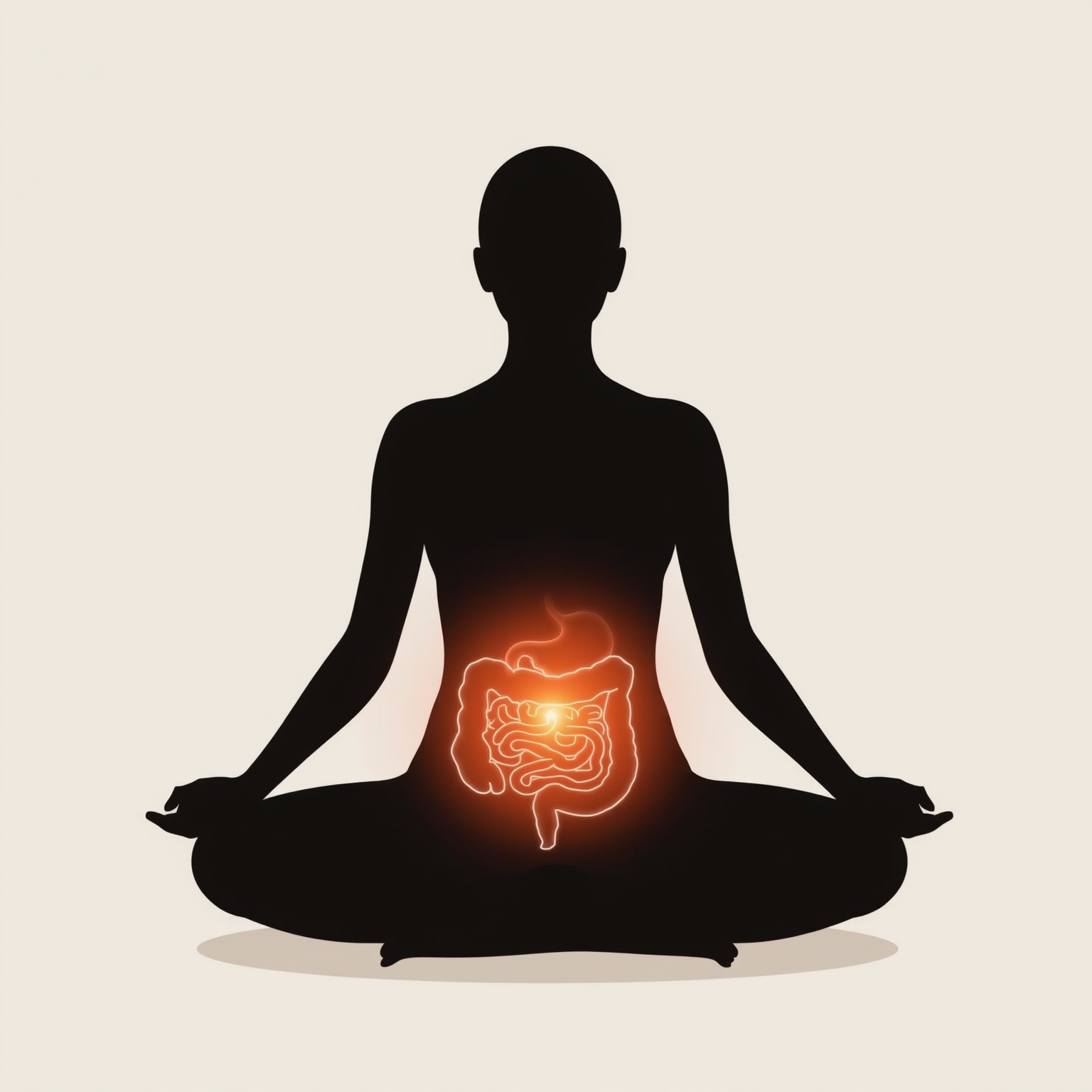
Throughout his many years of clinical practice as a gastroenterologist, Dr. Brennan Spiegel developed a persistent sense that something essential was missing in the conventional understanding of what causes irritable bowel syndrome (IBS). Decades of treating patients had informed him that nutrition, stress, and other physiological factors could not fully account for the range of symptoms many patients described. This lingering uncertainty became the foundation for a new hypothesis, which he formalized and presented in 2022 in an influential paper published in the *American Journal of Gastroenterology*. In this work, Spiegel proposed that a surprisingly overlooked factor—body posture—might play a powerful role in digestive disorders. He theorized that habitual poor posture can place excessive pressure on the body’s core, compressing the abdominal cavity and thereby constraining the internal organs in ways that inhibit efficient digestion.
Spiegel’s clinical observations supported this premise: patients who learned to correct their posture through strength-building activities such as resistance training, yoga, or targeted core exercises frequently reported marked symptom relief. According to him, after his study was released, an overwhelming number of individuals—hundreds of them—contacted him to share personal accounts echoing his findings. Many described how improving the strength of their abdominal and back muscles not only enhanced their sense of balance and alignment but also reduced bloating and discomfort. This influx of testimonials reinforced Spiegel’s conviction that posture was far more integral to digestive well-being than previously assumed.
Motivated by both empirical evidence and patient experiences, Spiegel embarked on a deeper investigation into how posture interacts with gastrointestinal processes. This exploration ultimately culminated in his book *Pull: How Gravity Shapes Your Body, Steadies the Mind, and Guides Our Health*, which examines how the ever-present force of gravity influences the human body on structural and physiological levels. Spiegel argues that gravity, the continuous force that draws everything on Earth downward, not only affects our skeletal alignment but also subtly affects our internal functions, from breathing and circulation to digestion. The habitual tendency to slump forward under gravity’s weight—often unnoticed in daily life—may explain why so many people experience persistent gas, bloating, and abdominal pressure despite otherwise healthy lifestyles.
To illustrate his point, Spiegel draws an evocative analogy. Just as a fish is inherently adapted to live and move gracefully through water, he explains, humans are designed to exist within the unceasing field of gravity. Yet unlike the fish, which interacts intuitively with its environment, we seldom acknowledge the gravitational context that shapes our every movement and posture. As the Director of Health Services Research at Cedars-Sinai Medical Center in Los Angeles, Spiegel emphasizes that this lack of awareness allows gravity’s downward pull to subtly distort our physical stance over time, compressing the very systems that sustain digestion and energy flow.
While he cautions that functional digestive symptoms such as bloating cannot be attributed solely to posture, Spiegel maintains that the way we position and move our bodies exerts a surprisingly significant influence on gastrointestinal health. Slouching alters the spatial arrangement of the abdominal organs, constricting the natural motility of the intestines and impeding the progression of food through the digestive tract. In contrast, standing upright—with the spine long, the chest open, and the abdomen unconstricted—optimizes alignment and ensures that the digestive system operates in its most natural and efficient state. In his words, adopting good posture need not mean rigidly holding a military stance all day; rather, it involves developing a subtle but consistent awareness of one’s height and balance. The more elongated and open one’s physical carriage, the more freedom the gut has to perform its rhythmic, intrinsic motions.
To make this invisible mechanism more tangible, Spiegel offers a simple yet vivid metaphor: imagine your abdomen as a heavy sack filled with potatoes. Our musculoskeletal system includes built-in suspension components—the diaphragm, the abdominal wall, and the back muscles—that hold and support this metaphorical sack. When we slump or hunch forward, the contents of the sack collapse inward under pressure, compressing the digestive tract and limiting its ability to process food smoothly. An upright posture, in contrast, keeps the “sack” lifted and open, allowing internal organs to work harmoniously and promoting proper digestive flow.
Recognizing that modern lifestyles often involve long hours seated at desks, Spiegel encourages practical movement strategies to counteract the effects of gravity and inactivity. One of his preferred techniques is the “dead hang,” a simple position performed by gripping a pull-up bar with hands about shoulder-width apart and allowing the body to dangle freely for thirty seconds to a minute. This act reverses the compression of the spine, quite literally elongating the body and giving the vertebrae a momentary reprieve from the constant gravitational load. As an added advantage, dead hangs naturally build grip strength—a physical attribute correlated with overall vitality and longevity, as it reflects enhanced upper-body and core resilience.
In addition to stretching vertically, he also recommends taking short walks after meals, a habit known not only for aiding metabolism but also for subtly improving posture and abdominal space. By remaining upright and in motion, the body helps facilitate digestion just as a suspended garden hose allows water to flow unobstructed, rather than folding upon itself when left in coils on the ground. These modest yet deliberate movements can improve digestive comfort, reduce bloating, and reestablish a healthy alignment between bodily structure and internal function.
For those seeking to strengthen postural muscles further, Spiegel suggests incorporating ergonomic tools and accessories into everyday life. Devices such as adjustable standing desks encourage people to alternate between sitting and standing, reducing long periods of static posture that contribute to spinal compression. He personally advocates the use of weighted vests, which, when used progressively, enhance muscle endurance and train the body to resist gravity’s downward tug more effectively. Similarly, balance boards and ankle weights can improve coordination and stabilize core muscles, cultivating both strength and body awareness. Spiegel admits with humor that he tends to push himself enthusiastically in these practices, but insists that any form of sustained effort to improve postural integrity pays significant dividends for long-term health.
Ultimately, Spiegel believes that when patients begin to grasp how deeply posture influences their sense of well-being, something transformative occurs—a genuine moment of realization. Visualizing posture not merely as a matter of appearance but as a vital aspect of digestive and overall health empowers individuals to take active ownership of how they hold themselves. As he explains, the guiding motivation becomes clear: to maintain an upright, strong, and open stance for as long as possible—counteracting gravity with awareness—until the day when, inevitably, that force once again draws us gently back to the earth.
Sourse: https://www.businessinsider.com/bad-posture-slouching-linked-to-bloating-ibs-2025-10