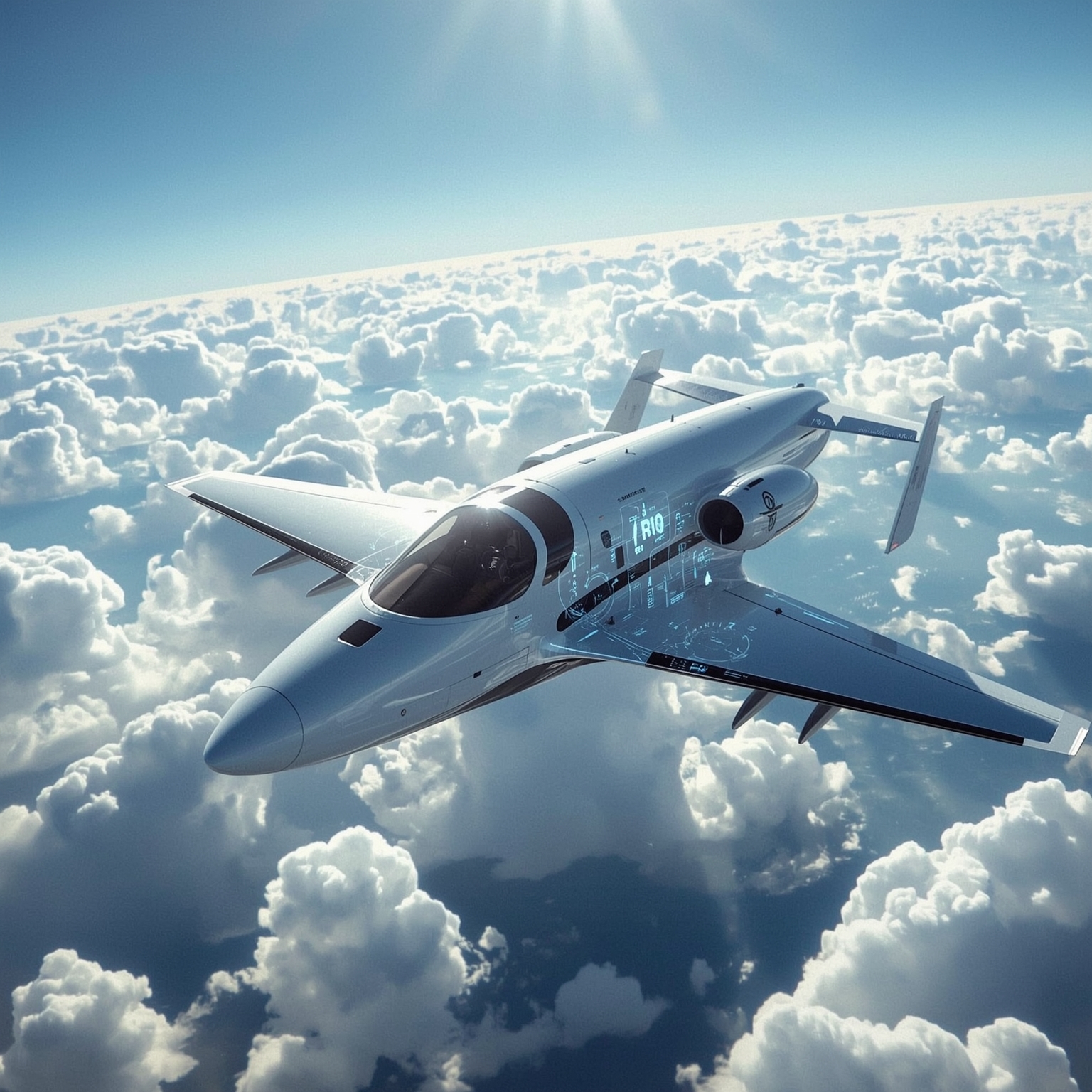
Across the world, the aviation industry stands at the precipice of a technological revolution, one that could fundamentally redefine what it means to take to the skies. The emerging concept of pilotless or self-flying planes is moving rapidly from speculative fiction toward operational reality, and companies like Reliable Robotics are driving this evolution through relentless innovation and advanced automation. Their pioneering work aims to build fully autonomous aircraft capable of transporting both cargo and passengers with remarkable precision, safety, and efficiency—all without direct human control in the cockpit.
The implications of such a transformation are profound. Imagine fleets of autonomous aircraft navigating complex flight paths, guided not by human intuition but by sophisticated algorithms, machine learning systems, and redundant safety protocols. These technologies promise not only to minimize the risks associated with human error but also to optimize operations across the entire aviation ecosystem, from air traffic management to logistics and commercial flights. For example, in cargo transportation, self-flying planes could dramatically reduce downtime, allowing goods to move across continents continuously without the constraints of pilot fatigue or scheduling limitations. In passenger aviation, they could make regional and long-distance travel more accessible, consistent, and cost-effective.
Reliable Robotics, alongside other visionary startups in the aerospace and technology sectors, is leading this paradigm shift by designing aircraft systems that seamlessly integrate automation with existing infrastructure. Through extensive testing, they are proving that autonomous flight can meet or even exceed current safety standards, while offering new possibilities for the future of mobility. Such advancements suggest a world in which air travel might one day be orchestrated by intelligent systems—where people and freight move swiftly and sustainably above the earth through digital precision rather than human reflexes.
Yet, while the prospect of pilotless planes introduces extraordinary potential, it also invites vital questions: How will the public perceive this shift? Can society adapt to a future where trust is placed not in a human pilot’s hands, but in technology’s automated judgment? As these innovations continue to mature, one thing becomes clear—the dawn of self-flying aircraft is not a distant dream but an approaching reality, poised to reshape the skies and redefine the very nature of flight as we know it.
Sourse: https://www.wsj.com/business/airlines/reliable-robotics-autonomous-autopilot-planes-834ac224?mod=pls_whats_news_us_business_f