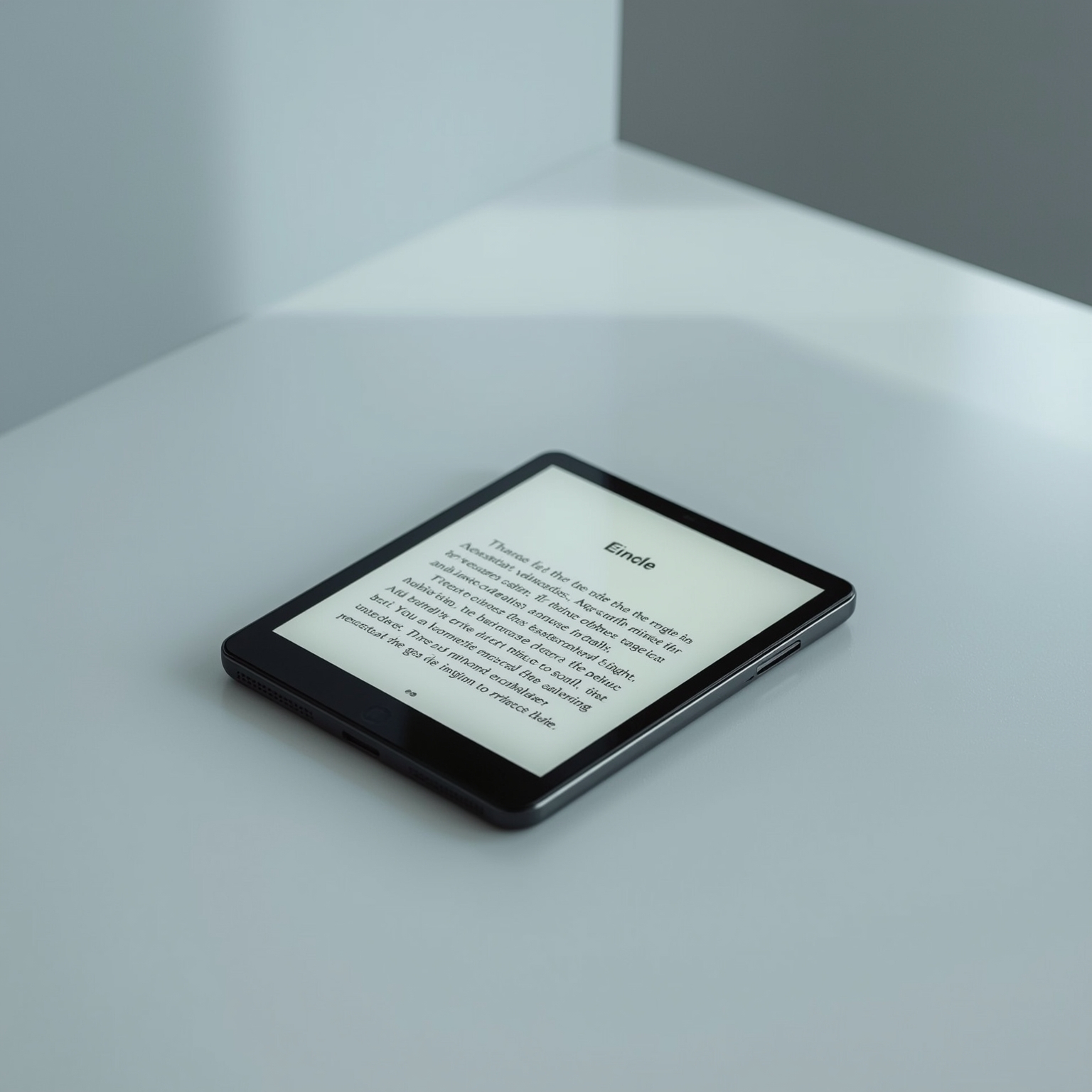
Now that the newest iterations of Boox’s compact, pocket-friendly e-readers have officially reached the Chinese market, consumers and industry observers alike finally have a clearer sense of their anticipated global pricing structure. This long-awaited debut provides a preliminary benchmark for what international customers might expect to pay for the sophisticated P6 Pro and its vibrant counterpart, the P6 Pro Color, should the company move forward with a wider release. However, the unveiling also underscores a broader and less welcome trend that continues to define much of the technology landscape in 2025: a consistent rise in the cost of premium devices. According to details first brought to light by Liliputing, these sleek new models are notably more expensive than their predecessors, reflecting the inflationary pressures and component costs that many manufacturers are currently navigating across the tech industry.
The standard Boox P6 Pro positions itself as a refined evolution of the company’s mid-range lineup, featuring a slightly upgraded 6.13-inch black-and-white E Ink Carta 1300 display. This panel offers superior clarity and contrast compared to the one used in the $300 Palma 2, delivering a more paper-like reading experience that appeals to both avid readers and professionals who value long-form, distraction-free reading. The device carries a retail price of 2,799 Chinese yuan, which roughly translates to about $393 USD based on current exchange rates. Its more visually dynamic sibling, the P6 Pro Color, incorporates the same compact 6.13-inch size but employs the advanced E Ink Kaleido 3 color display technology. This screen type, similar to those implemented in Kobo’s most recent color e-readers, allows for colored illustrations, graphic novels, and annotated documents to be displayed with notable vibrancy. Yet, this enhancement comes at a significant premium: the P6 Pro Color is listed at 3,299 CNY, equivalent to approximately $463 USD.
Although Boox is temporarily softening the financial blow with introductory launch discounts, reducing the effective prices to 2,516 yuan (about $353 USD) for the P6 Pro and 2,991 yuan (around $420 USD) for the P6 Pro Color, potential international buyers should temper their expectations. Once import duties and U.S. tariffs are factored in, these already premium devices could become even costlier in Western markets, making them an exclusive purchase for readers deeply invested in mobile productivity and digital paper ecosystems.
Under the sleek exterior, both models share a robust internal specification sheet designed to appeal to users who demand functionality beyond basic e-reading. Each device provides an ample 128GB of onboard storage, ensuring sufficient space for extensive digital libraries, academic papers, or creative portfolios, with expansion capability up to an impressive 2TB through a microSD card slot. Accompanying these specifications is a 16-megapixel rear camera—a somewhat unusual inclusion for this product class—which enables document scanning and digitization of handwritten materials. Powering the units is a capable 3,950mAh battery, optimized for low-energy E Ink operation and intended to extend usage across days of reading without frequent recharging. Both devices operate on a customized version of Android 13 tailored by Boox, offering access to various reading apps and productivity tools while maintaining a minimal, distraction-free interface conducive to deep focus.
The P6 Pro Color distinguishes itself further by offering a memory upgrade from the P6 Pro’s already competent 6GB of RAM to a more generous 8GB, allowing smoother multitasking and improved performance with color-intensive applications. Additionally, it supports stylus input, transforming the device into a versatile note-taking platform suitable for students, professionals, and artists alike. Arguably the most striking advancement, however, is the integration of a SIM card slot that grants access to 5G mobile data networks—a first for Boox’s compact e-reader category. This addition effectively bridges the gap between dedicated e-reader and connected smart device, granting the convenience of downloading or syncing content on the go without relying on Wi-Fi connectivity.
Still, the P6 Pro series stops short of positioning itself as a full-fledged smartphone alternative. Unlike the Bigme Hibreak Pro, which debuted earlier in the year with built-in calling features, Boox’s new models emphasize reading and productivity rather than voice communication or all-purpose mobile functionality. For some consumers, this deliberate omission might invite scrutiny, particularly given the models’ elevated pricing. As such, Boox’s newest entries represent a sophisticated balance between innovation and restraint—devices that push the boundaries of reading technology while reminding buyers that excellence in design and performance often comes at a premium.
Sourse: https://www.theverge.com/news/798298/onyx-boox-p6-pro-color-e-ink-color-kaleido-3-5g-sim-card